

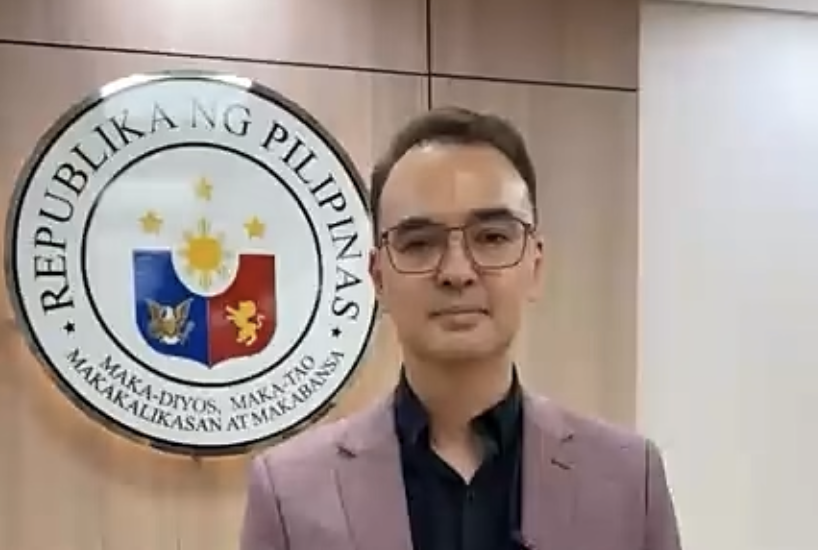
As the Philippines continues to grapple with the devastating impacts of seasonal typhoons and unpredictable weather patterns, the spotlight once again falls on the government's massive flood mitigation efforts. Senator Alan Peter Cayetano has made a heartfelt appeal to the Filipino public, asking for prayers as the Senate Blue Ribbon Committee prepares to resume its critical investigation into the country’s flood control projects. This request highlights not just the political weight of the upcoming hearings, but the deeply human and societal stakes involved in addressing a crisis that affects millions of lives every year.
For decades, flooding has been a persistent, exhausting reality for many Filipinos. Every time a heavy downpour hits Metro Manila and low-lying provinces, streets transform into rivers, businesses grind to a halt, and families are forced to evacuate their homes. It is a recurring nightmare that has sparked widespread public frustration, particularly when citizens look at the staggering national budgets allocated year after year to solve this very problem. Cayetano’s call for spiritual and moral support underscores the immense pressure on lawmakers to deliver real, actionable answers rather than just another round of political finger-pointing.
The Senate's inquiry is not merely a routine legislative exercise; it is an attempt to untangle a complex web of engineering plans, budget allocations, and execution strategies. Over the past few years, billions of pesos have been poured into flood control master plans managed by the Department of Public Works and Highways (DPWH) and the Metropolitan Manila Development Authority (MMDA). Yet, when severe tropical storms lash the archipelago, the infrastructure often seems inadequate. The Blue Ribbon Committee, known for its mandate to investigate government wrongdoing and systemic inefficiencies, aims to find out exactly where the money went and why the promised relief has yet to fully materialize.
Navigating these investigations requires a delicate balance of technical scrutiny and political will. Lawmakers must pore over thousands of pages of engineering specifications, topographical maps, and financial audits. They have to ask tough questions of cabinet officials, contractors, and local government executives who are responsible for implementing these projects. In this context, Cayetano’s appeal for prayers can be seen as an acknowledgment of the daunting task ahead. It is an invitation for the public to stay engaged, to watch the proceedings closely, and to demand accountability from those in power.
To understand the gravity of the situation, one only has to look at the recent typhoons that submerged large swathes of Luzon, including highly urbanized areas that were supposed to be protected by newly completed dike systems and pumping stations. The contrast between the sophisticated plans presented during budget deliberations and the muddy waters filling citizens' living rooms has created a profound crisis of confidence. The upcoming Senate probe is a crucial opportunity to bridge this gap, ensuring that public funds are utilized efficiently and transparently to protect vulnerable communities.
Beyond the immediate political implications, the flood control probe touches on broader themes of climate resilience and urban planning in an era of global environmental change. The Philippines is one of the most disaster-prone nations in the world, and climate change is only making storms more frequent and intense. Standard engineering solutions that worked twenty years ago may no longer be sufficient. The Senate inquiry must therefore look forward, exploring how the country can transition toward smarter, nature-based solutions and integrated water resource management that can withstand the challenges of the twenty-first century.
As the committee tables are set and the microphones are turned on, the eyes of the nation will be on the Senate floor. The resumption of this probe represents a pivotal moment for governance in the Philippines. It is a chance to move past the rhetoric of resilience and take concrete steps toward real safety and accountability. By asking for prayers, Cayetano reminds everyone that this is not just a battle fought in the halls of Congress, but a collective national endeavor to secure a safer, more stable future for every Filipino family.
According to reports from GMA News and official Senate legislative records, this probe remains one of the most closely watched Congressional inquiries of the season.