

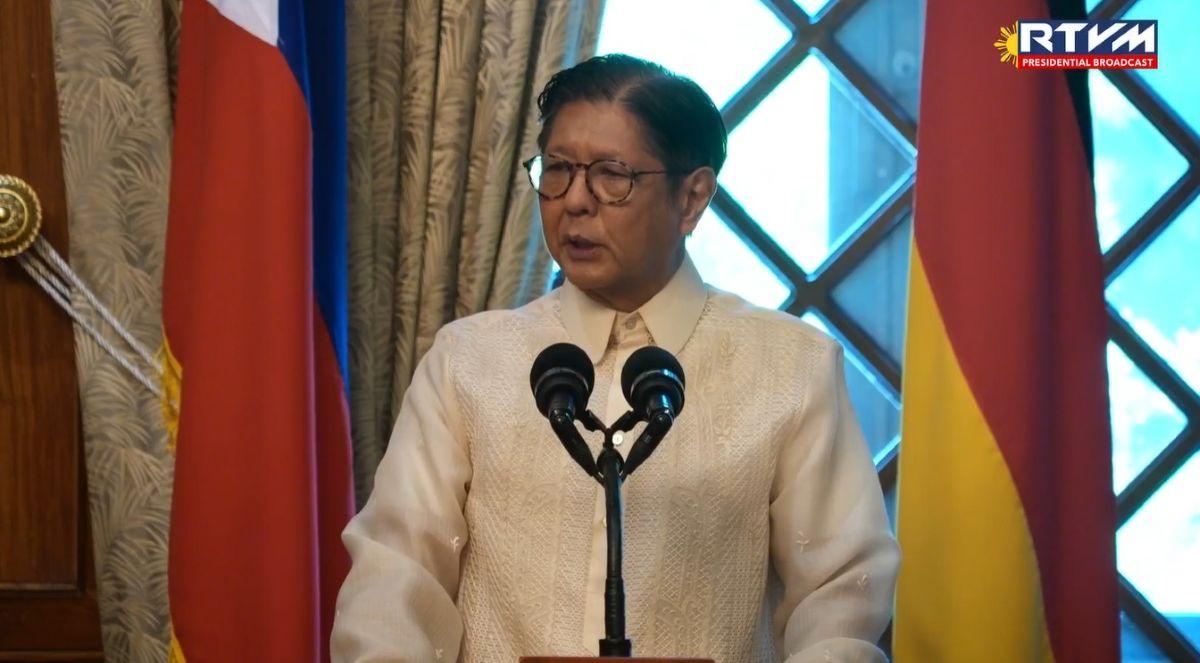
Corruption in the Philippines has a long and turbulent history. From the Marcos regime of the late 20th century to various scandals that have emerged in recent administrations, the battle against corruption has been a continuous struggle. It's a multifaceted issue that not only undermines governance but also erodes public trust and hampers economic progress. Citizens have often expressed their frustration, feeling that despite various campaigns and promises, systemic corruption remains pervasive.
Marcos Jr.'s recognition of the painful reality of addressing corruption is a crucial step towards transparency. His administration's approach seems to favor a comprehensive strategy rather than superficial measures. This suggests a willingness to confront the entrenched interests that benefit from corrupt practices, which could potentially yield long-term benefits for the country.
Political analysts have noted that tackling corruption requires not just a strong political will, but also a collaborative effort from all sectors of society. This includes civil society organizations, the private sector, and ordinary citizens. Marcos's administration might be looking to engage these groups in a dialogue about the best practices and approaches to combat corruption effectively.
Moreover, the president's candid admission reflects a shift in governance style, one that is more aligned with transparency and accountability. It challenges the previous narratives that often downplayed the severity of corruption. By acknowledging the difficulty of the task ahead, Marcos is setting a more realistic expectation for the public, which could foster a renewed trust in government initiatives.
As the administration formulates its anti-corruption strategies, it will be essential to monitor the proposed measures closely. Will they be robust enough to dismantle the networks that have thrived on corruption? Or will they fall short, as many previous efforts have?
The implications of Marcos's statements extend beyond mere rhetoric; they signal a potential shift in how governance will be approached in the coming years. The Filipino people are eager for genuine change and are watching closely to see if this administration can deliver on its promises.
Ultimately, the road ahead will be fraught with challenges, but the first step is admitting the truth about corruption's complex nature. As the nation engages in this critical dialogue, it remains to be seen whether the Marcos administration can translate its commitment into meaningful actions that restore faith in the institutions meant to serve the public.
According to a report by GMA News, the ongoing discussions surrounding corruption will likely define the political landscape in the Philippines for years to come.