

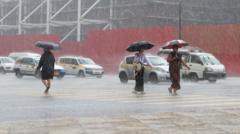
El Niño events are not new, but the intensity and frequency of these occurrences seem to be increasing, raising questions about the role of climate change. Historically, El Niño has led to a variety of weather extremes, including heavy rainfall in some areas and severe droughts in others. The last major event occurred in 2015-2016, which brought about devastating floods in parts of South America while contributing to drought conditions in Australia and Indonesia.
In the Philippines, where the impact of El Niño is often felt acutely, the implications can be dire. The country is already grappling with the effects of climate change, making communities more vulnerable to the adverse impacts of extreme weather. The government, alongside various NGOs, has been working tirelessly to establish early warning systems and improve disaster response mechanisms.
The advent of this El Niño raises questions about food security, water availability, and the readiness of local governments to tackle the challenges that come with such climatic shifts. Farmers might face crop failures due to inconsistent rainfall patterns, while urban areas could struggle with flooding and heatwaves. The interconnectedness of our global climate system means that events in one part of the world can have cascading effects elsewhere.
As we look ahead, it is crucial for communities to stay informed and prepared. The National Oceanic and Atmospheric Administration (NOAA) and other global meteorological organizations are closely monitoring the situation and providing updates. Collaboration between scientists, government agencies, and local communities will be vital in mitigating the impacts of this El Niño event.
The urgency of the situation cannot be overstated. Public awareness and proactive measures can make a significant difference in how societies cope with the potential fallout of these extreme weather patterns. As we navigate these changes, it’s essential to engage in discussions about climate resilience, sustainable practices, and the importance of environmental stewardship.
Data sourced from the US scientific community and meteorological reports indicate that this El Niño could persist for several months, meaning that our preparation and response efforts must be ongoing and adaptable. The time to act is now, as the consequences of inaction could be severe.
According to a report by BBC News, experts are urging everyone to stay alert and informed as we collectively face the challenges posed by this latest El Niño phenomenon.