

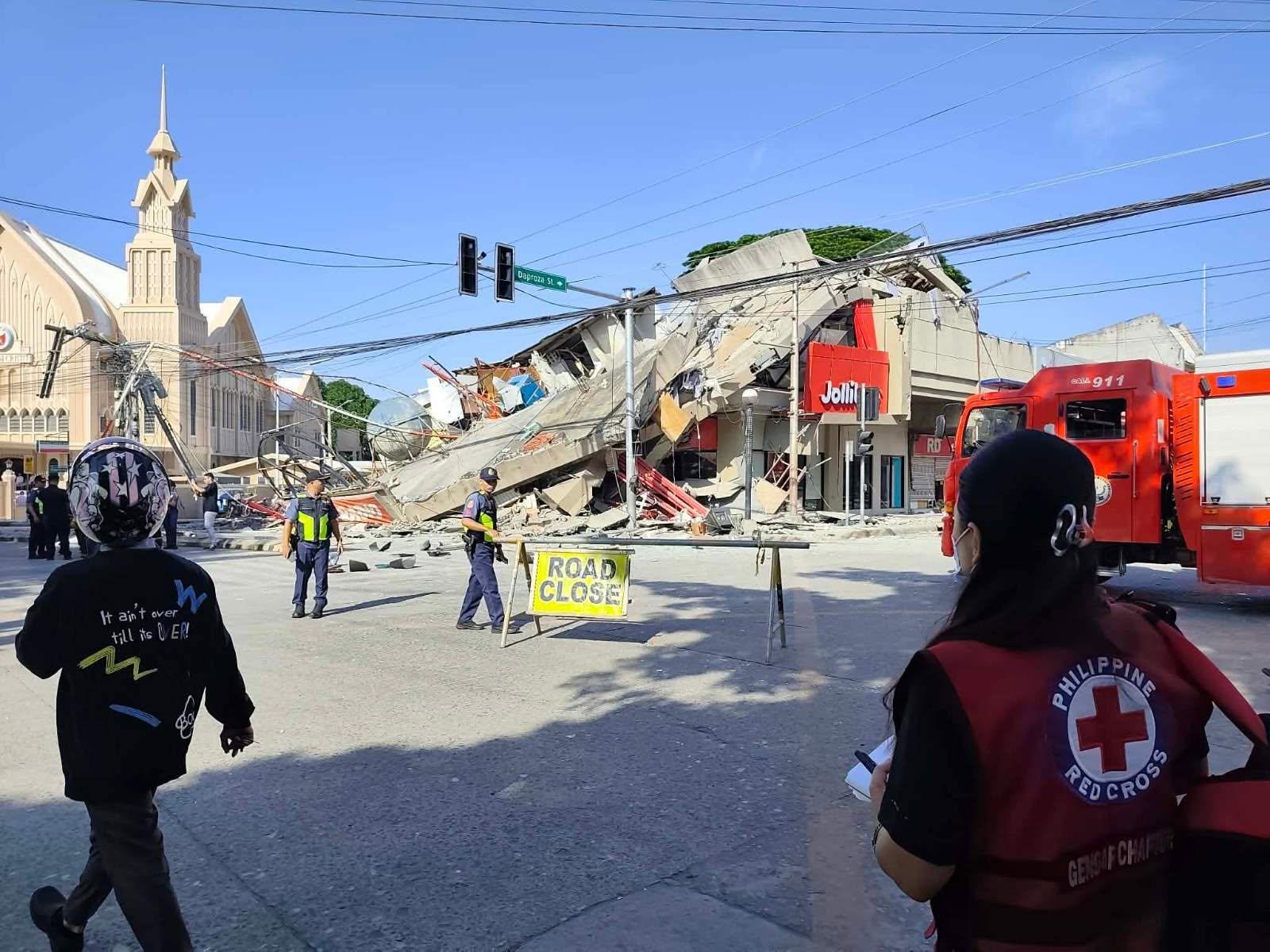
The earthquake's epicenter was determined to be deep within the tectonically active region of Mindanao, a place familiar with seismic activity, yet this event was particularly alarming due to its intensity. As the news spread, emergency services were put on high alert, and local authorities began assessing the situation to ensure the safety and well-being of the residents. Reports of infrastructure damage started pouring in, with some buildings partially collapsing, and essential services were disrupted, leaving many without power or access to clean water.
In the following hours, the Philippine Institute of Volcanology and Seismology (PHIVOLCS) recorded multiple aftershocks, some reaching magnitudes of 5.0 to 6.0. These aftershocks can be just as frightening as the initial quake, causing panic among those already shaken by the first tremor. Experts warn that aftershocks are a common phenomenon following significant earthquakes, and they can continue for days, weeks, or even months. Residents are urged to stay vigilant and prepared for any sudden jolts.
Local communities quickly mobilized to assist those affected by the earthquake. Volunteers gathered supplies, including food, water, and blankets, to support those who lost their homes. The spirit of bayanihan, a Filipino tradition of communal unity, shone brightly as neighbors helped neighbors, demonstrating resilience in the face of adversity. Community centers became hubs for relief efforts, where people could seek shelter and resources.
Government officials are working closely with disaster response teams to ensure a coordinated approach to recovery. Communication lines are being restored, and officials are urging residents to stay informed through reliable channels. Safety is paramount, and local authorities are conducting inspections to assess the structural integrity of buildings and ensure that any potential hazards are addressed promptly.
As the day progressed, the nation turned its attention to Mindanao, with various segments of the population offering prayers and support to those affected. Social media platforms became a crucial tool for spreading information, and many expressed their concerns and solidarity. The government and various organizations are also appealing for donations and assistance to aid the recovery efforts.
This earthquake serves as a stark reminder of the power of nature and the importance of preparedness. As Filipinos, we must remain vigilant and proactive in understanding the risks associated with living in a seismically active region. Emergency preparedness plans should be revisited, and communities must engage in regular drills to ensure that everyone knows how to respond effectively in the event of a disaster.
Data sourced from GMA News...