

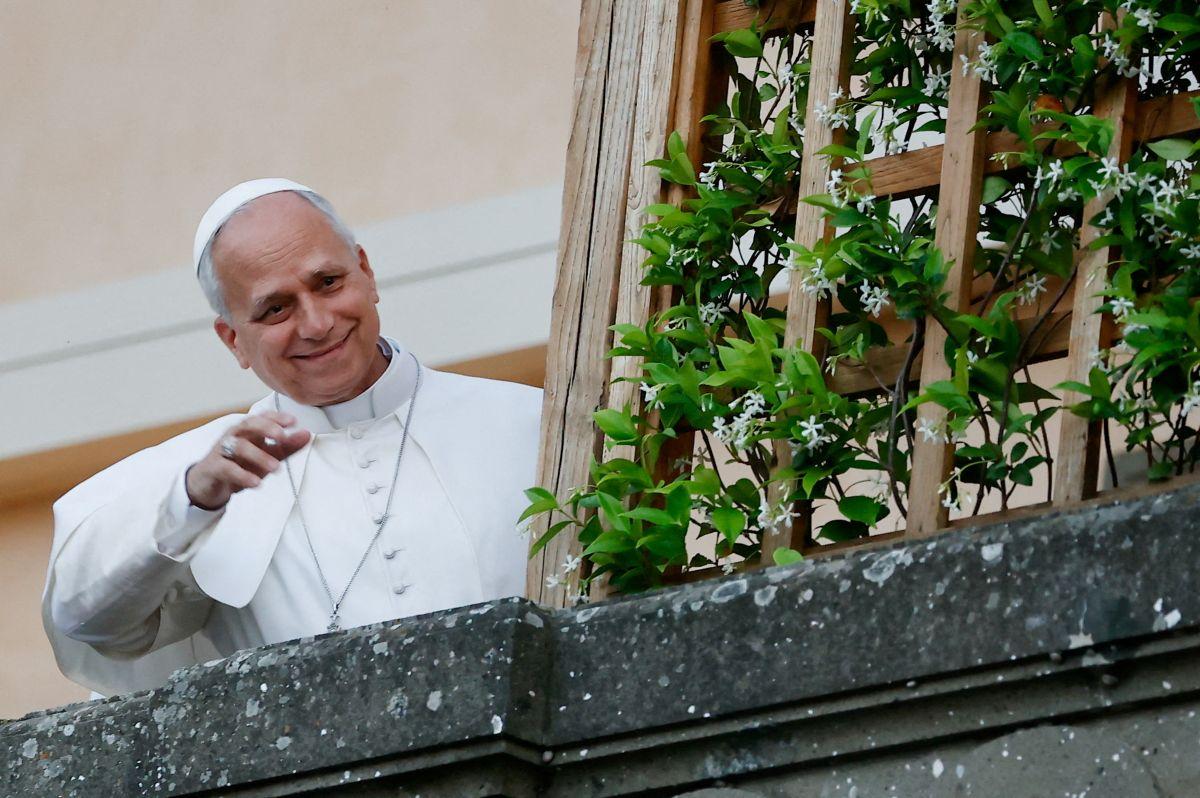
At the heart of the visit is the highly anticipated inauguration of a new tower at the Sagrada Familia. This basilica, a masterpiece of architect Antoni Gaudí, has been under construction for over a century. For many, this event represents more than just the completion of a structural milestone; it is a testament to faith and persistence. The Pope’s involvement underscores the Vatican's enduring connection to cultural heritage and the arts, yet he arrives at a moment when Spain itself is grappling with deep internal fissures.
The social climate in Spain is currently characterized by a distinct polarization. Issues regarding national identity, political leanings, and socioeconomic policies have created a divided public square. In this environment, the Pope’s presence is seen as a call for unity, though it remains to be seen how his message will be received by the varying segments of the population. He enters a landscape where the traditional values he represents often clash with the rapidly evolving secular ideals of contemporary Europe.
Perhaps the most poignant aspect of this trip is the Pope’s planned engagement with migrants. These individuals have risked their lives, crossing treacherous Atlantic waters in hopes of finding safety and opportunity within European borders. By choosing to prioritize these encounters, the Pope is drawing a direct line between the spiritual teachings of empathy and the tangible, often brutal realities faced by refugees today. This gesture challenges the host nation and the broader EU to reconsider their humanitarian responsibilities. It is not merely a symbolic act; it is an attempt to inject moral clarity into the heated, often exclusionary debates surrounding border security and human rights.
Historically, the relationship between the Vatican and Spain has been one of great complexity. From the historical influence of the Church on the Spanish monarchy to the modern-day complexities of state and faith, this visit serves as a continuation of a long-standing dialogue. By engaging with both the architectural legacy of the nation and its most vulnerable populations, the Pope is attempting to bridge the gap between institutional history and the pressing, human-centered challenges of the twenty-first century. As he moves from the heights of the Sagrada Familia to the centers serving those who survived the Atlantic, the Pope carries the weight of a changing continent on his shoulders. Whether his visit will serve as a catalyst for reconciliation or simply be a fleeting moment in the headlines, its impact on the public consciousness is undeniable.