

Data sourced from recent public opinion research indicates a striking decline in how European nations perceive the United States. In a landscape defined by shifting geopolitical tides, the latest figures reveal that a mere 11 percent of Europeans consider the U.S. to be a dependable ally. This statistic is more than just a number; it represents a profound psychological shift in the transatlantic relationship, one that has been building silently beneath the surface of official diplomatic channels for years.
When we look at the historical context of the post-World War II era, the U.S.-European partnership was once the bedrock of global stability. Through organizations like NATO and various trade agreements, the alliance was often described as unshakable. However, the survey findings suggest that this narrative has frayed significantly. The study highlighted that in almost every country polled, there was a palpable sense of apprehension regarding the current state of relations. The only notable outlier in the data was Bulgaria, suggesting that the sentiment is not merely a localized phenomenon but a widespread trend sweeping across the continent from the Baltic to the Mediterranean.
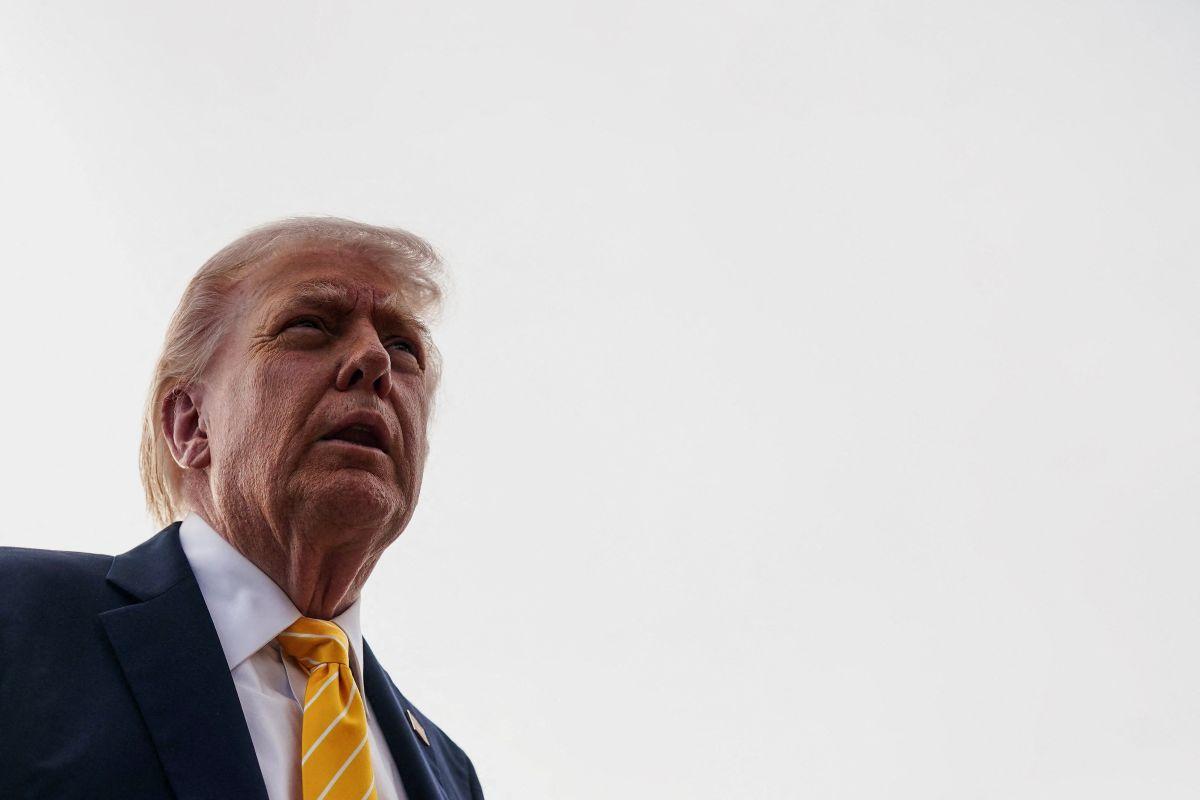
It is impossible to discuss this decline without mentioning the influence of recent American political cycles. The survey notes that a prevailing sentiment among European populations was that the transatlantic bond might undergo a restoration or improvement once the tenure of former President Donald Trump concluded. This expectation highlights how deeply American domestic politics now dictate international perception. When a nation as powerful as the United States experiences internal polarization, it inevitably impacts how its global partners perceive its reliability. Europeans, it seems, have been waiting to see if the U.S. would return to a more traditional, multilateral foreign policy approach, or if the "America First" rhetoric was the new permanent baseline.
This skepticism toward the U.S. doesn't exist in a vacuum. Europe is currently grappling with its own internal challenges, ranging from economic fluctuations to evolving defense requirements. When the U.S. is viewed as an unpredictable actor, European policymakers are forced to reconsider their own strategic autonomy. We are seeing a slow, steady drift toward a multipolar world where reliance on Washington is no longer the default setting for European security or economic health.
What makes these findings particularly compelling is the disconnect between government-level cooperation and public sentiment. While defense ministers and diplomats might sit in the same rooms and sign the same treaties, the people they represent are feeling a widening chasm. This is a crucial point for anyone following global affairs. If the public trust in an alliance is as low as 11 percent, the political capital required to maintain joint initiatives becomes much more expensive. Governments can only sustain alliances that their taxpayers support.
As we look toward the future, the implications are vast. A continent that feels abandoned or alienated by its strongest ally is likely to seek new partnerships, perhaps looking inward at European integration or exploring ties with other rising powers. The era of blind faith in transatlantic unity is, for the moment, on hold. Whether the U.S. can regain that lost trust depends not just on who sits in the Oval Office, but on whether the United States can prove that it still values the collective stability of the West over its own short-term, isolationist goals. It is a cautionary tale for any superpower that relies on soft power as much as its military capabilities. If the reputation of a reliable ally is lost, it may take decades—not just a single election cycle—to earn it back.