

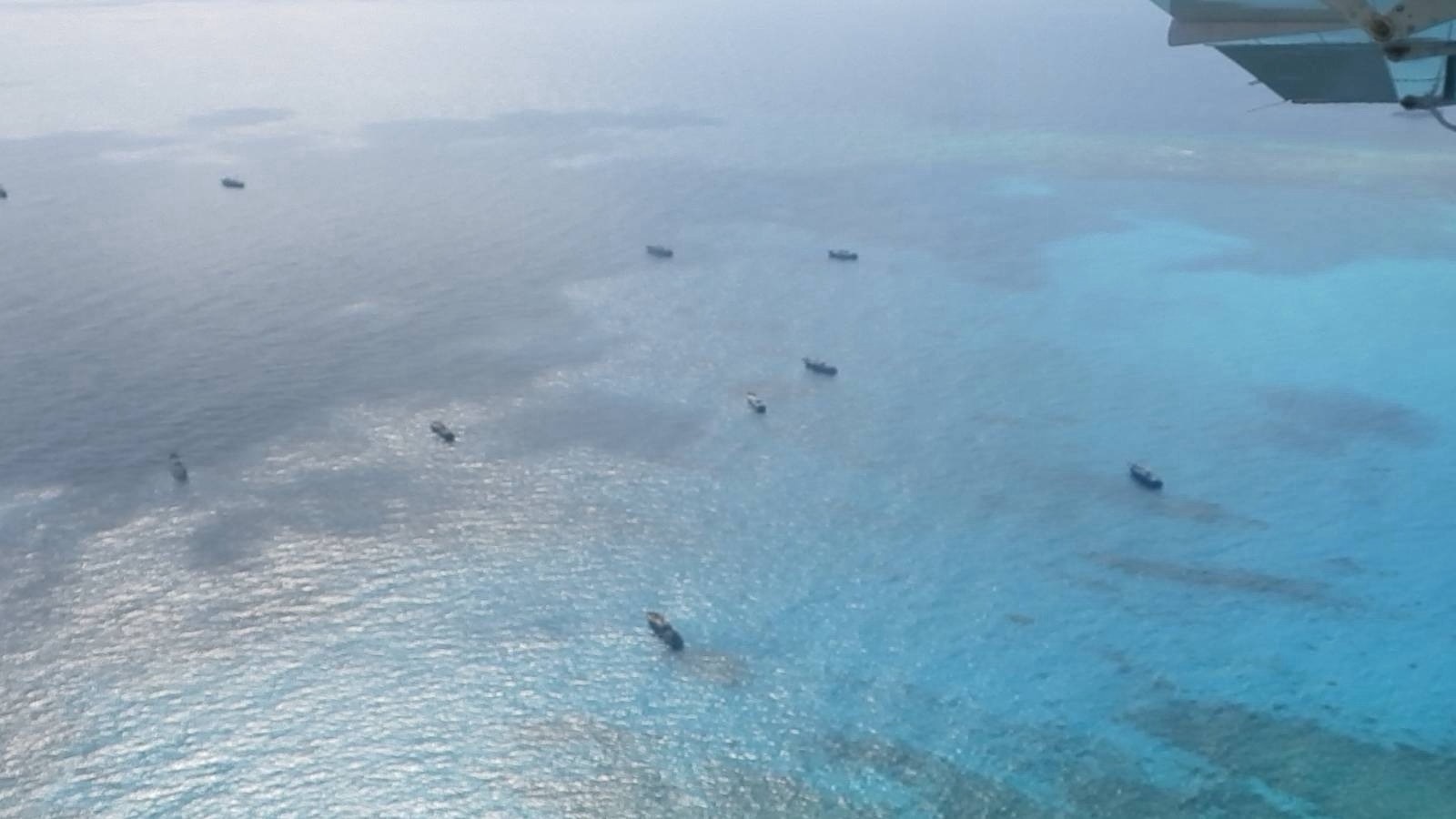
When we hear about 36 vessels appearing in our waters, it is easy to view it as just another statistic in a long string of reports. However, these vessels represent a consistent, calculated push that keeps our naval and coast guard personnel on high alert. The West Philippine Sea is not just a collection of islands and reefs; it is a vital part of our national identity, a treasure trove of biodiversity, and a critical corridor for trade and resources that rightfully belong to the Filipino people. The presence of these vessels—ranging from maritime militia to more formal government ships—is a reminder of the persistent pressure our country faces in asserting its sovereign rights.
Throughout the history of this dispute, we have seen various tactics employed to test our resolve. Whether it is through the deployment of swarms of boats or the shadowing of our resupply missions, the game of cat and mouse in the WPS is grueling. It requires not only naval strength but also immense diplomatic patience. Every time a report like this surfaces, it highlights the importance of the modernization of our own fleet and the necessity of maintaining strong alliances with international partners who support the rule of law and the 2016 arbitral ruling that affirmed our rights.
Imagine the daily life of a Filipino sailor patrolling these waters. The vastness of the ocean, combined with the psychological weight of knowing that one's presence is being monitored by dozens of foreign vessels, is a testament to the quiet bravery of our frontliners. This is not just about territorial boundaries; it is about the right of Filipino fishermen to cast their nets in their ancestral fishing grounds without fear or harassment. When we lose access to these areas, it affects the livelihoods of entire coastal communities who have relied on these waters for generations.
Moreover, the environmental impact of such a sustained presence cannot be overlooked. The delicate marine ecosystems, including our precious coral reefs, have suffered as a result of reclamation activities and the sheer density of ship traffic. Our struggle to protect the WPS is, in essence, a struggle to protect a heritage that belongs to future generations of Filipinos. While the situation remains complex and often feels like an unending stalemate, the vigilance of our armed forces is the bedrock of our national security. It is through their consistent reporting and documentation that we are able to maintain a clear picture of what is happening on the ground—or rather, on the water.
As we process this latest increase in vessel count, it serves as a call for continued public awareness. It is easy to become desensitized to news of maritime incursions, but staying informed is our way of standing with our troops. We remain committed to keeping you updated on these developments as they unfold, ensuring that the story of our sovereignty remains at the forefront of the national discourse. The situation is far from settled, and the presence of these 36 vessels is just the latest chapter in a long, ongoing story of endurance and national pride.
#BalitaBNB #NewsUpdate #WestPhilippineSea #PHSovereignty #AFP