

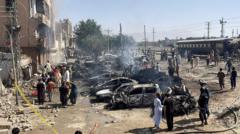
The mechanics of the attack reflect a calculated attempt to incite fear. By targeting a transport artery during a major religious holiday, the perpetrators aimed to deliver a psychological blow alongside the physical damage. Security officials have scrambled to respond, cordoning off the area and launching investigations to determine how the security measures—meant to safeguard these vital transport routes—were circumvented. For the average citizen in Pakistan, this event hits hard because the railway remains the lifeblood of regional connectivity. It is how grandparents visit their grandchildren, how workers return to their villages, and how the military moves personnel across the vast, diverse landscape of the country. When that safety is compromised, the reverberations are felt by every segment of society, fueling broader conversations about national stability and the ongoing struggle between state security and insurgent groups.
Looking beyond the immediate tragedy, the situation highlights the complex landscape of insurgency in Pakistan. Separatist movements, often rooted in historical grievances, territorial disputes, and socioeconomic disparities, have periodically targeted government and military assets. This specific attack, however, carries a particular sting because of its timing. The Eid holiday is a sacred period where even in conflict-ridden societies, there is often a tacit expectation of calm. When that peace is shattered, it speaks volumes about the level of desperation and the emboldened tactics of those operating in the shadows. The local community is currently in a state of shock, with eyewitnesses describing the frantic moments after the explosion as rescue teams struggled to navigate the mangled wreckage of the carriages.
As the government initiates a comprehensive investigation, the spotlight once again shifts to the military's role in maintaining order in volatile provinces. Many analysts point out that while military operations are often deemed necessary to suppress violent uprisings, they also inadvertently keep the region in a constant state of tension. This incident will likely spark intense debate in parliament and media circles about whether the current security strategy is working or if a new approach, perhaps one more focused on political reconciliation, is long overdue. For now, however, the focus remains on the families who have lost loved ones. The human cost of this conflict is often reduced to statistics in headlines, but behind every name is a story—a son who was supposed to be at the dinner table for Eid, a father who promised to be home in time for prayers, and a future that will never be realized.
As we observe these developments, it is essential to consider the broader implications for the region. Security in Pakistan is not just a domestic issue; it has cascading effects on neighboring nations and international diplomatic relations. If stability continues to be undermined by such violent acts, the economic aspirations of the country could face significant setbacks. Infrastructure projects, particularly those related to transport and trade, rely heavily on a stable security environment. Investors watch these events closely, and the perception of risk can hamper progress for years. The resilience of the Pakistani people has been tested time and again, yet incidents like this remind us that the path to peace is neither straight nor short. It requires not just military might, but a societal consensus on how to move forward while healing the wounds of the past. Our hearts go out to those affected by this senseless violence. As the investigation progresses, we will continue to monitor the situation, seeking to understand the implications of this event on the long-term stability of the region and what it means for those living in the shadow of conflict.