

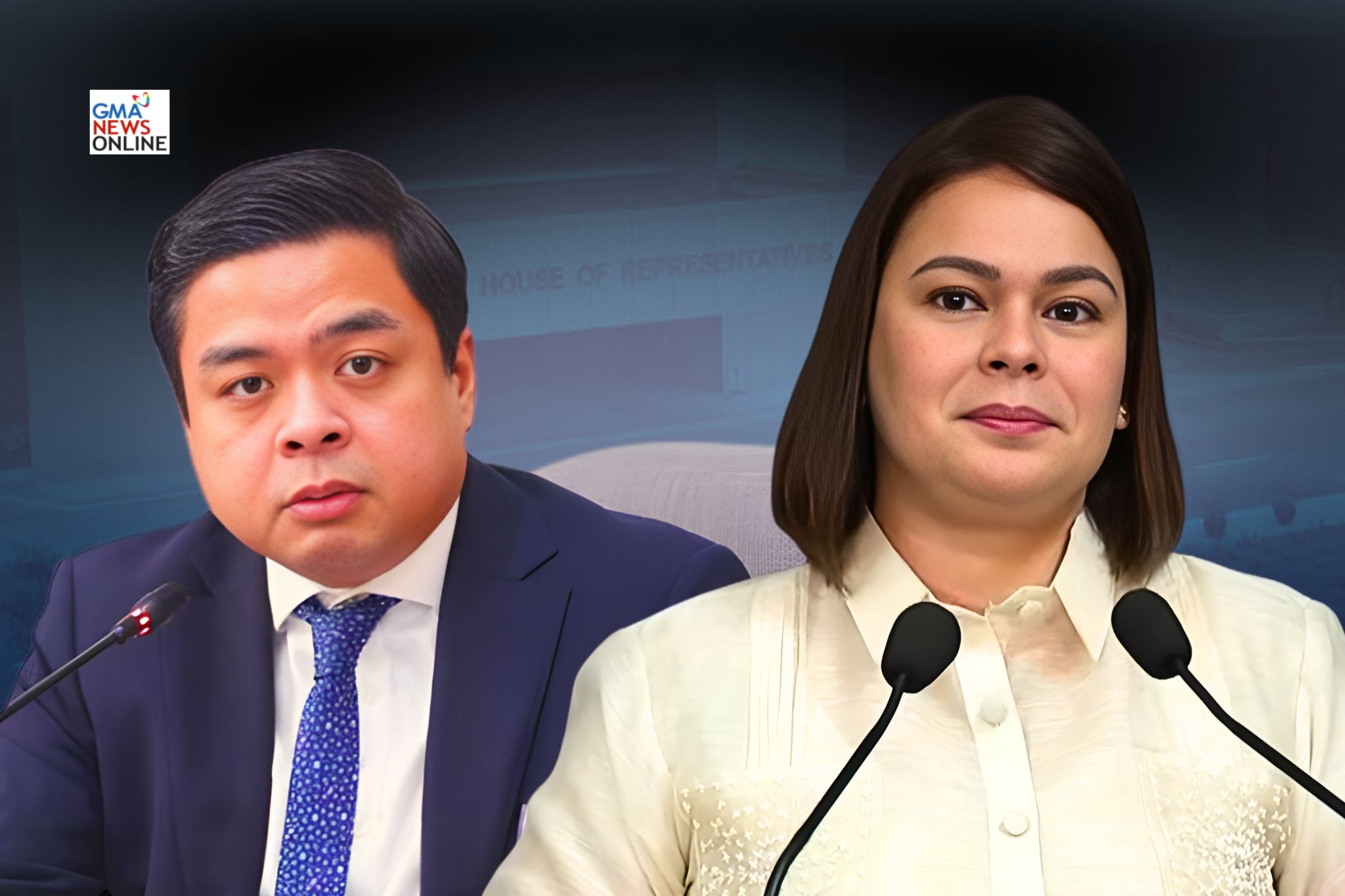
As the political landscape in the Philippines continues to shift, all eyes are turned toward the halls of Congress, where a significant legal and political process is beginning to take shape. The talk of the town recently has been the looming impeachment trial of Vice President Sara Duterte, a development that has captured the attention of both the public and the political elite. At the heart of these proceedings are the allegations regarding unexplained wealth, a serious charge that carries immense weight in the eyes of the law and the Filipino electorate. Recently, it was revealed that House prosecutors are preparing to bring forward key witnesses who could potentially turn the tide of these proceedings.
When we talk about an impeachment trial, it is easy to get lost in the noise of partisan rhetoric. However, the substance of this case relies heavily on the testimony of institutions that command respect for their investigatory authority. According to the latest reports, the House prosecution panel is set to call upon representatives from the Office of the Ombudsman, the National Bureau of Investigation (NBI), and the Anti-Money Laundering Council (AMLC). The inclusion of these three pillars of law enforcement and financial regulation suggests that the prosecution is building a narrative rooted in documentation, paper trails, and forensic scrutiny rather than mere conjecture.
Let us take a moment to consider why these specific agencies are so pivotal. The Ombudsman is the primary guardian of public accountability, tasked with investigating government officials who are suspected of graft or corruption. When they step into the witness stand, they bring with them the weight of official inquiries into the conduct of public servants. Meanwhile, the NBI functions as the premier investigative arm of the state, often responsible for the heavy lifting when it comes to gathering evidence for criminal prosecution. Their involvement signifies that the allegations reach a level of complexity that requires professional forensic investigators.
Then, there is the AMLC. In any case involving the term 'unexplained wealth,' financial tracking is the backbone of the evidence. The AMLC holds the keys to understanding how assets flow through the financial system, providing the necessary data to trace whether funds match a public official’s declared income. By weaving these three agencies together, the prosecution is aiming to create a comprehensive picture of the Vice President's financial standing, effectively inviting the public to look past the political theater and examine the hard data.
This isn't just about a trial; it's about the standard of transparency we expect from our highest-ranking officials. Throughout the history of Philippine governance, impeachment has always served as the ultimate check and balance. It is a grueling process, designed not for convenience, but for the rigorous pursuit of truth. The drama unfolding in the House of Representatives is, in essence, a litmus test for the integrity of our institutions. Will the evidence provided by these state agencies stand up to the scrutiny of the defense? Will the narrative of 'unexplained wealth' be validated by the cold, hard figures presented by the AMLC or the investigative summaries from the NBI? These are questions that will be answered in the coming months as the trial progresses.
For the ordinary citizen, the complexities of the impeachment process can often feel distant and overly technical. However, it is vital to remember that these proceedings determine the stability of the executive branch and the accountability of those who hold the highest offices in the land. The move to bring in experts from the Ombudsman and the AMLC highlights the gravity of the situation. It shifts the discussion from social media debates to the domain of established legal procedures.
As we watch this story unfold, it is important to maintain a perspective of objective inquiry. Politics in the Philippines is rarely simple, and high-profile trials like this are often influenced by the shifting tides of alliances and public opinion. Yet, regardless of where one stands on the political spectrum, the process of calling in witnesses from our nation's most critical oversight agencies is a necessary step toward transparency. Whether this trial leads to a shift in power or serves as a clearing of the air, the involvement of these witnesses will ensure that the record is built on more than just whispers and rumors. The days ahead will surely be filled with intense scrutiny, and as observers, our role is to keep informed as the legal battle over accountability continues to evolve.