

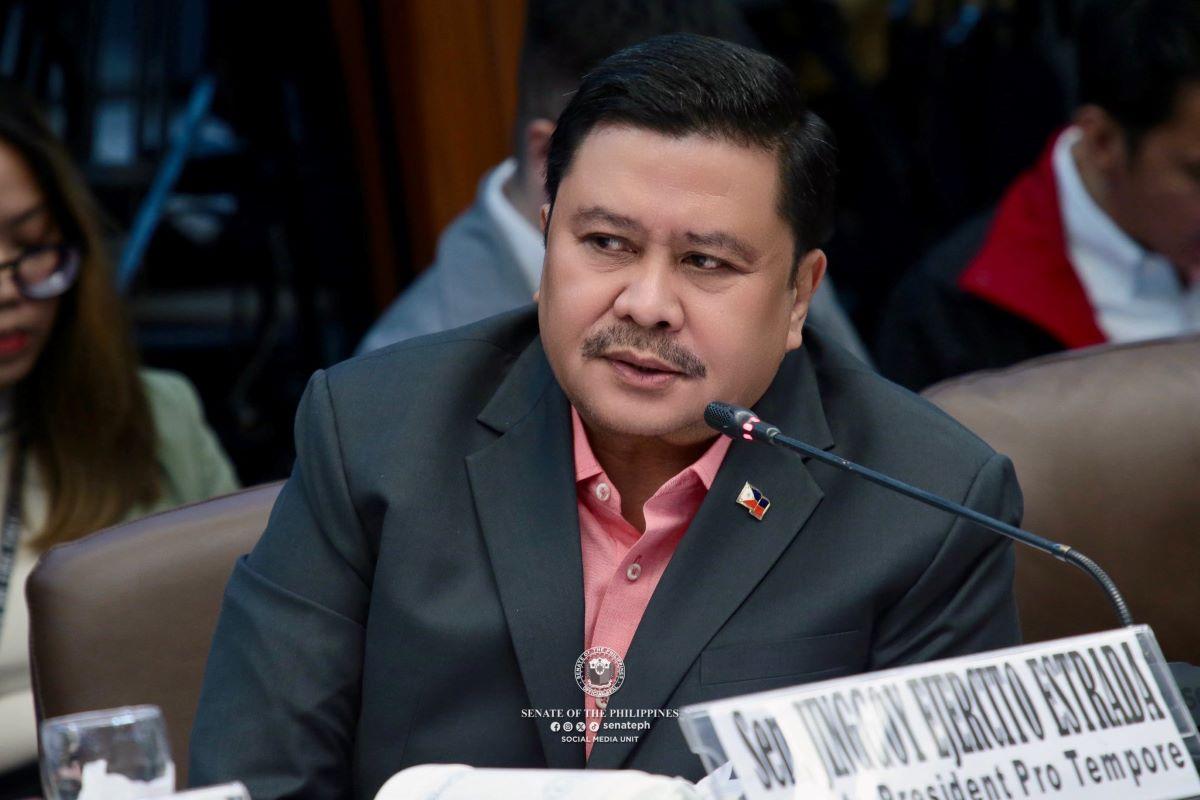
The Philippine political landscape is bracing for yet another high-profile legal storm as Senator Jinggoy Estrada finds himself at the center of serious allegations once again. On a Tuesday afternoon that quickly captured the attention of national media, the Office of the Ombudsman announced that it is set to file formal plunder and malversation charges against the veteran lawmaker before the Sandiganbayan, the nation's anti-graft court. This latest legal hurdle involves alleged anomalies surrounding critical flood control initiatives—a highly sensitive issue for a country routinely battered by severe typhoons and seasonal monsoon rains.
According to reports, the formal charges are slated for filing this coming Thursday. The news has sent ripples through the halls of the Senate and sparked widespread discussions among the public, who have grown increasingly vigilant regarding the disbursement of public funds earmarked for national infrastructure and disaster mitigation.
To fully appreciate the gravity of this development, one must look at Senator Estrada's long and complex history with the Philippine judicial system. He is no stranger to the austere courtroom of the Sandiganbayan. Over the years, Estrada has navigated several high-stakes legal battles, most notably the infamous Priority Development Assistance Fund (PDAF) or 'pork barrel' scam, which dominated headlines for nearly a decade. Having previously faced plunder charges in connection with that multi-billion peso controversy, his political career has been a rollercoaster of detentions, legal triumphs, and resilience. His ability to maintain a strong political base despite these challenges has always been a point of fascination for political analysts. However, this new indictment concerning flood control projects presents a fresh set of challenges, threatening to complicate his legislative duties and alter the public narrative surrounding his leadership.
Flood control is not merely an administrative budget item in the Philippines; it is a matter of life and death for millions of citizens. Every year, as tropical storms sweep across the archipelago, communities are submerged, livelihood is lost, and infrastructure is severely tested. Public frustration often peaks during these times, with citizens demanding to know how billions of pesos in disaster-prevention budgets are utilized. When allegations surface that these funds may have been diverted or mismanaged through plunder and malversation, the emotional and political stakes are incredibly high. It shifts the conversation from abstract numbers on a ledger to the real-world safety of families wading through flooded streets.
The Ombudsman's decision to move forward with these charges signals a rigorous pursuit of accountability, though the legal process is expected to be long and arduous. In the Philippine legal system, plunder is a non-bailable offense if the evidence of guilt is strong, and it carries the penalty of life imprisonment alongside perpetual disqualification from holding public office. Malversation of public funds, depending on the scale, also carries heavy prison sentences and financial penalties. As the case transitions to the Sandiganbayan, the prosecution will bear the burden of proving that Senator Estrada directly benefited from the allegedly anomalous flood control allocations, while the defense will undoubtedly mount a vigorous campaign to assert the senator's innocence.
Furthermore, this development highlights the ongoing institutional friction and the rigorous checks and balances inherent in the Philippine government. The Office of the Ombudsman serves as the constitutional watchdog tasked with investigating and prosecuting government officials accused of graft and corruption. When a sitting senator is targeted for prosecution, it demonstrates the reach of anti-graft bodies, yet it also invites intense political scrutiny regarding the timing and motivations behind such charges. Legal observers suggest that the upcoming court proceedings will be closely watched not just for their judicial outcome, but for the precedent they set regarding the oversight of nationwide infrastructure allocations.
As the nation watches this drama unfold, the political implications cannot be understated. With mid-term elections and future political alignments always on the horizon, a major trial involving a sitting senator inevitably reshapes alliances and influences voter sentiment. It also puts a spotlight on the legislative branch's oversight functions, raising critical questions about how infrastructure projects are vetted, approved, and monitored to prevent corruption. The Senate itself may face internal pressure regarding committee assignments and administrative roles held by Estrada, adding another layer of complexity to the situation.
For now, the public awaits the official filing on Thursday and the subsequent response from Senator Estrada's legal team. While the principle of presumption of innocence remains a cornerstone of the justice system, the court of public opinion is already actively weighing in on what this means for the integrity of public works funding in the country. The resolution of this case will undoubtedly leave a lasting mark on the senator's legacy and the broader fight against corruption in public infrastructure.
Data sourced from GMA News reports.