

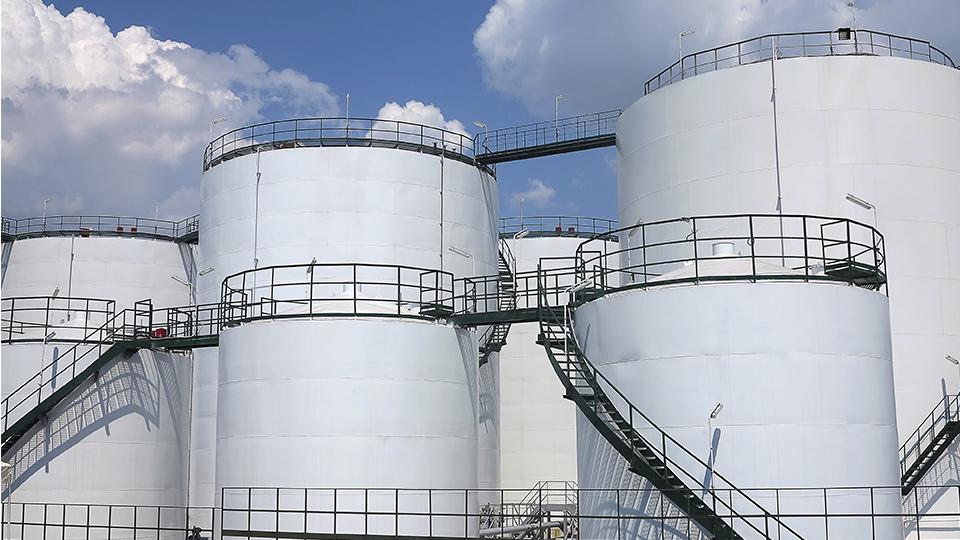
Data sourced from recent reports indicate that the Japanese government has officially extended its support to the Philippines regarding the establishment of a long-awaited petroleum reserve program. For many observers of the Philippine energy sector, this is a development that brings a sigh of relief as the country remains highly susceptible to the volatile fluctuations of the global oil market. With ongoing geopolitical tensions in the Middle East serving as a constant threat to supply chain stability, the timing of this partnership is arguably more critical now than at any point in the recent decade.
To understand why this move is significant, one must look at how the Philippines currently operates. Unlike many developed nations that maintain massive strategic reserves to buffer against sudden price spikes or supply disruptions, the Philippines has historically relied heavily on the private sector to maintain daily stock levels. While this has been efficient for cost-cutting during periods of global stability, it leaves the archipelago incredibly vulnerable when ships are delayed, conflicts erupt near major sea lanes, or producers suddenly cut output. The vulnerability is further exacerbated by the fact that the Philippines is an archipelagic nation, making the logistics of fuel distribution a daily challenge even before considering international market pressures.
Japan, on the other hand, possesses one of the most sophisticated and robust oil stockpiling systems in the world. Their experience in navigating energy crises, particularly given their own lack of domestic oil production, makes them an ideal technical and strategic partner for the Philippines. This collaboration isn't just about money; it is about infrastructure, management protocols, and the logistical expertise needed to ensure that if a global energy crunch happens tomorrow, the Philippines won't be caught completely off guard at the gas pump.
The discussions surrounding this partnership suggest a multi-faceted approach. It isn't merely about building massive tanks to store crude oil; it involves a comprehensive plan to modernize the regulatory framework, incentivize private sector participation in stockpiling, and potentially develop government-owned facilities that can act as a shock absorber for the local economy. For the average Filipino driver or a small business owner relying on diesel for delivery trucks, these talks might seem like high-level bureaucracy. However, the downstream effect is direct: a stabilized supply chain means less extreme volatility in pump prices and a greater guarantee that public transport and logistics industries can remain operational during global emergencies.
Looking closer at the broader implications, this deal also signals a strengthening of the diplomatic and economic bond between Manila and Tokyo. Beyond the immediate energy cooperation, Japan’s willingness to provide technical assistance and potentially funding support highlights their commitment to the Philippines' regional stability. As both nations continue to navigate the complexities of the Indo-Pacific landscape, energy security is increasingly being viewed as a cornerstone of national security. When the lights stay on and the fuel keeps moving, the economy thrives. Conversely, a disruption in energy flow can bring an entire nation to a standstill.
It is worth noting that this is not a short-term fix. Developing a strategic petroleum reserve is a years-long endeavor that requires careful planning, significant land acquisition, and environmental compliance. However, by tapping into Japan's expertise, the Philippines is cutting down on the 'learning curve' costs that often plague such large-scale infrastructure projects. As the Department of Energy moves forward with these plans, the public should watch closely for how these policies are implemented. Are we looking at a system that subsidizes the oil giants, or a truly strategic reserve that prioritizes consumer protection and national resilience? That remains the million-dollar question. Regardless, this collaboration marks a pivotal shift in how we think about our vulnerability to global events. We are moving from a reactive stance to a proactive strategy, and that is a major leap forward for a nation that has spent too long riding the waves of global oil price madness. As the partnership deepens, we can expect to hear more about the technical specifications of these reserves and the timelines for their activation. It is a slow process, but it is one that offers a glimmer of hope for a more secure and predictable energy future for every Filipino.