

Data sourced from international news wire reports.
In a move that underscores the increasingly delicate nature of global diplomacy during times of active conflict, Canadian leadership has taken a firm, uncompromising stance regarding recent events involving maritime activists. Prime Minister Mark Carney’s recent communication with Israeli President Isaac Herzog marks a significant shift in how North American powers are addressing the humanitarian fallout in the Middle East. It isn't often that we see such direct language used between leaders of allied nations, but the reports surfacing from the recent flotilla interception have forced the conversation into the public eye.
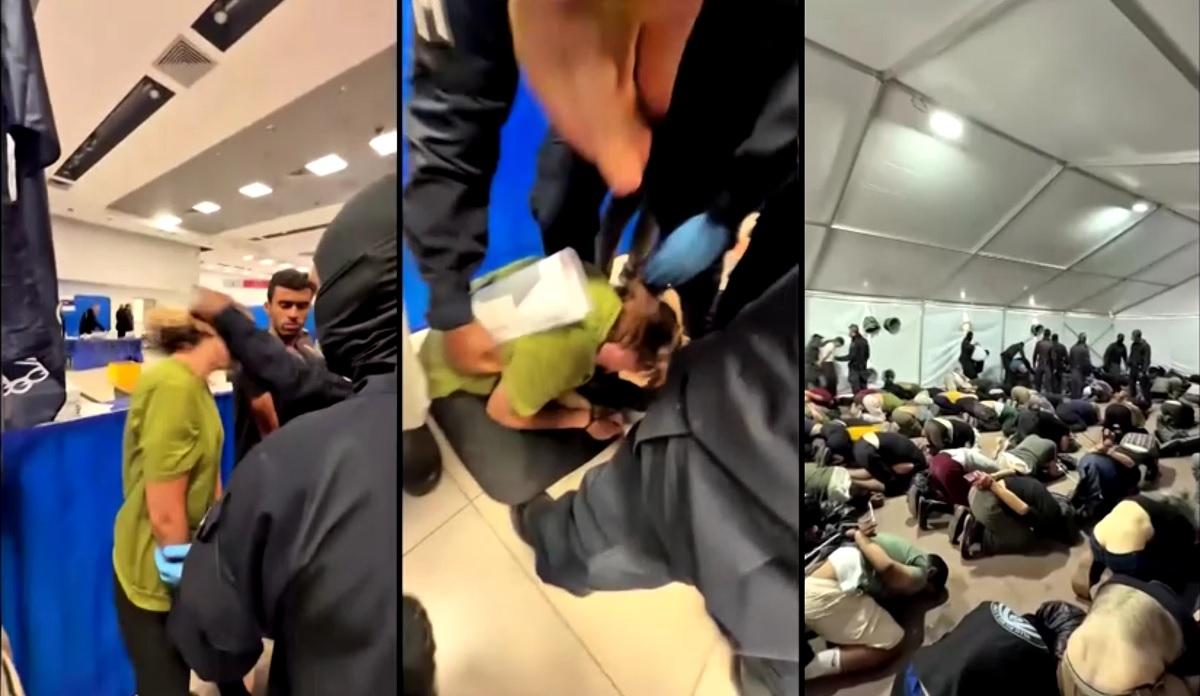
The core of the friction stems from the treatment of individuals detained during a recent maritime effort aimed at Gaza. Prime Minister Carney described the actions taken by security forces as "appalling," a word that carries significant weight in the halls of international diplomacy. When a head of state uses such loaded terminology, it signals that the threshold for acceptable conduct in conflict zones is being tested. The activists, whose intentions were to draw attention to the maritime blockade and the humanitarian crisis unfolding within Gaza, found themselves in a high-stakes standoff that ended in detention. By addressing this directly with President Herzog, Carney is signaling to the international community that the status quo regarding humanitarian aid access and the treatment of non-combatants is no longer sustainable.
To understand the gravity of this exchange, one must look at the broader, harrowing landscape that Gaza currently occupies. The term "catastrophic" was not used lightly by the Prime Minister's office. It serves as a stark acknowledgment of the systemic collapse of infrastructure, food security, and basic medical access that millions of people are currently enduring. This isn't just a political spat over borders or security protocols; it is a profound human rights challenge that demands attention from every corner of the globe. The frustration felt by the Canadian government is mirrored by many international aid organizations that have struggled to move supplies into the region. Every delay and every detainment of those attempting to bridge the gap adds another layer of complexity to an already fractured situation.
This diplomatic friction highlights the uncomfortable reality of balancing national security arguments against the urgent necessity of humanitarian relief. The Israeli government has consistently maintained that its maritime control is a vital security requirement to prevent the flow of weaponry. However, the international outcry suggests that the cost of these security measures—manifesting in the blockade of essential goods and the detention of activists—is beginning to outweigh the strategic arguments in the eyes of many world leaders. As Canada pushes for a more transparent, humane process, we have to wonder if this will trigger a chain reaction of similar statements from other G7 nations. Historically, diplomatic pressure of this nature acts as a catalyst for either rapid policy adjustment or a hardening of resolve. We are currently watching the former in slow motion.
It is also worth noting the political tightrope that leaders like Prime Minister Carney are walking. Domestic constituents in Canada are increasingly vocal about the humanitarian cost of the war, demanding that their government play a more active, critical role rather than remaining a silent observer. By communicating these grievances directly to President Herzog, Carney is attempting to align his administration with those voices while maintaining the long-standing geopolitical relationships that define Canadian foreign policy. It is a delicate dance. If the situation on the ground in Gaza does not improve, or if the treatment of detainees continues to be a point of contention, we can expect this rhetoric to escalate into more tangible policy shifts, perhaps including conditional aid or deeper sanctions on specific operational procedures. Ultimately, this exchange is a reminder that in the interconnected digital age, the world is watching, and the actions taken in the Mediterranean are being scrutinized by every capital in the West. The hope, of course, is that such high-level intervention might lead to a more measured approach to future incidents, preventing further escalation of an already volatile region. #BalitaBNB #NewsUpdate