

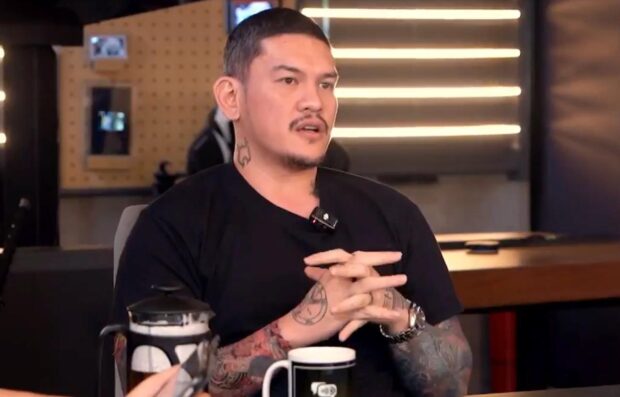
Davao City Mayor Sebastian "Baste" Duterte has once again escalated his political rhetoric against President Ferdinand Marcos Jr., directly challenging the administration’s governance record and alleging a lack of tangible achievements since the president assumed office in 2022. Speaking at a regional gathering of the Rage Coalition in Davao City, the mayor delivered a highly critical speech that focused heavily on the executive branch's current performance.
In his address, Mayor Duterte expressed strong concerns over national security, public safety, and governance. He argued that the country has seen a resurgence in illegal drugs, rising criminality, and corruption under the current leadership. Furthermore, the local chief executive raised alarms over alleged attempts to extend government terms through proposed constitutional amendments, a move he strongly denounced. These statements represent a continued departure from the unified front once presented by the major political forces of the country.
This latest public denunciation from the Davao City mayor underscores the deepening divide between the political allies who formed the historic "UniTeam" coalition. The political landscape has shifted significantly since the landslide victory of the Marcos-Duterte ticket, with local leaders increasingly expressing divergent views on national policies.
Context & Historical Background
The political alliance known as "UniTeam" was forged during the 2022 national elections, combining the political strongholds of Ferdinand Marcos Jr. in Northern Luzon and the Duterte family in Mindanao. This coalition secured a historic majority vote, placing Marcos in the presidency and Sara Duterte in the vice presidency. The partnership promised continuity of key policies alongside new developmental goals.
However, over the last two years, policy divergence has strained the relationship between the two camps. Key flashpoints have included contrasting approaches to foreign relations—particularly regarding maritime issues in the West Philippine Sea—and differing strategies in the national campaign against illegal drugs. While the previous administration emphasized a highly aggressive, localized enforcement strategy, the Marcos administration has promoted a more rehabilitation-centric and holistic approach.
Additionally, discussions surrounding Charter Change (constitutional reform) have further polarized the political landscape. Proponents argue that economic provisions need updating to attract foreign investments, while critics, including several prominent Mindanao leaders, fear that these moves could pave the way for political term extensions and shifts in the balance of power. As the country approaches the 2025 midterm elections, these public exchanges reflect broader strategic alignments and ideological differences that are reshaping Philippine politics.
According to a report by Inquirer, these statements represent a growing trend of public dissent from local officials in the Davao region regarding national leadership directions.