

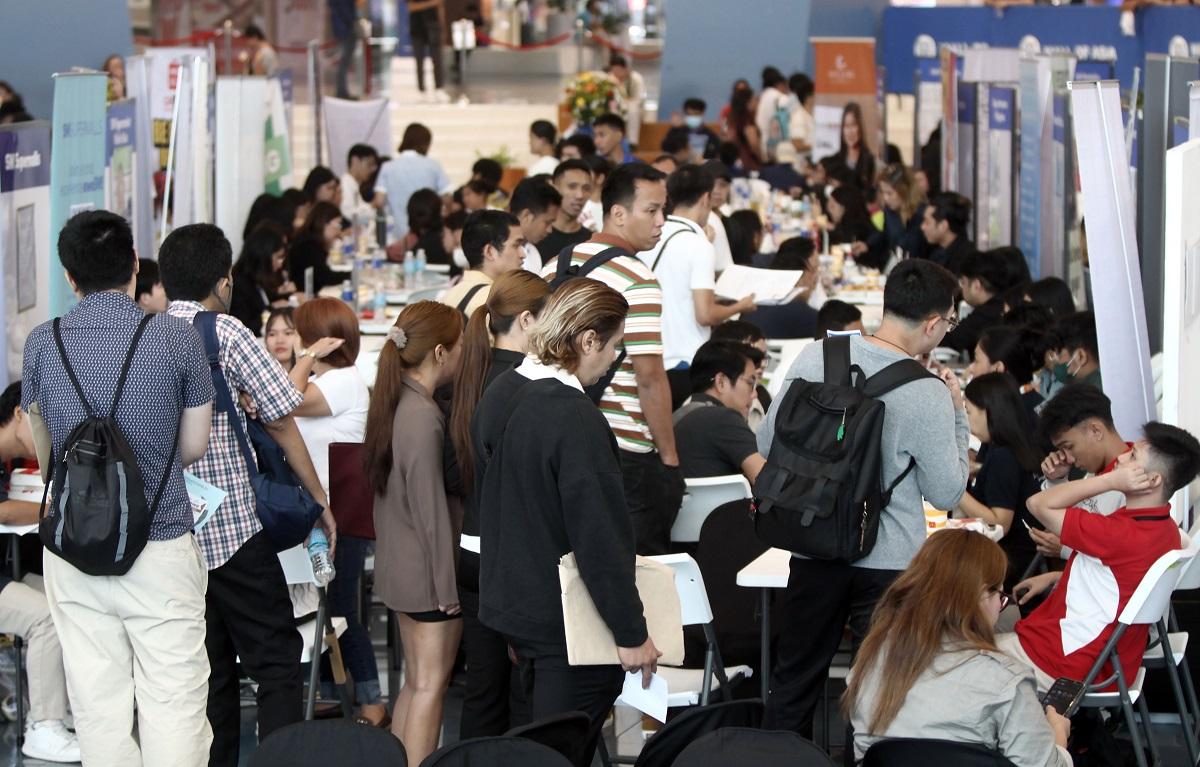
Every year, the economic heartbeat of the Philippines—the National Capital Region (NCR)—serves as a crucial barometer for the country’s overall financial health. When the metropolitan area thrives, the ripple effects are felt across the archipelago. Conversely, when the metro experiences even a slight tremor in its labor market, economists and policymakers pay close attention. Recently, new data released by the Philippine Statistics Authority (PSA) highlighted a subtle but significant shift in this very landscape: unemployment within the National Capital Region slightly edged up, reaching an estimated 345,000 individuals in 2025.
While a minor increase in unemployment numbers might seem alarming at first glance, understanding the broader economic context is essential to grasping what these figures actually represent. The job market is not a static environment; it is a dynamic, living ecosystem influenced by corporate restructuring, shifting consumer demands, technological advancements, and seasonal changes. In a bustling metropolis of over 13 million people, an increase to 345,000 unemployed individuals signals a period of transition rather than a full-scale economic downturn. This minor uptick invites us to look deeper into the underlying factors that shape how people find, keep, or transition between jobs in the modern era.
One of the primary drivers behind these shifting employment numbers is the ongoing evolution of the industries that call Metro Manila home. For decades, the National Capital Region has been heavily reliant on sectors like Business Process Outsourcing (BPO), real estate, financial services, and retail. However, as global markets integrate more advanced technologies such as artificial intelligence and automated systems, companies are redefining the skills they require from their workforce. This mismatch between the skills job seekers possess and the evolving demands of employers often leads to what economists call frictional and structural unemployment. During this adjustment phase, workers often find themselves temporarily displaced as they upskill or seek opportunities in newer, emerging sectors.
Furthermore, we must consider the natural flow of the labor force itself. Each year, thousands of fresh graduates from Metro Manila's premier universities and colleges, alongside migrant workers from neighboring provinces, enter the metropolitan job market simultaneously. This influx of enthusiastic, young professionals temporarily inflates the labor force participation rate. While some secure employment immediately, others experience a waiting period as they undergo recruitment processes or hold out for roles that align with their career aspirations. This transitional phase naturally causes a temporary rise in the headline unemployment figures, reflecting a vibrant but highly competitive entry-level job market.
Beyond technological and demographic shifts, macroeconomic pressures also play a vital role. In recent times, businesses in the capital have had to navigate the complexities of inflation and fluctuating operating costs. To maintain profitability and sustain growth, many enterprises have adopted a highly cautious approach to hiring. Rather than embarking on aggressive expansion campaigns, some corporations are choosing to optimize their current workforces, relying on productivity gains and selective hiring. This conservative sentiment naturally tempers the rate at which new jobs are created, making the job hunt slightly more prolonged for those currently out of work.
Yet, even amidst these challenges, there are signs of resilience and adaptation across the capital. The rise of the gig economy and freelance platforms has provided a vital buffer for many professionals, allowing them to monetize their skills independently while searching for permanent employment. Additionally, the government and the private sector have increasingly collaborated on targeted retraining initiatives. Programs aimed at enhancing digital literacy, technical skills, and entrepreneurship are helping bridge the gap between traditional roles and the demands of the modern economy.
According to data sourced from the Philippine Statistics Authority (PSA), these employment metrics serve as an essential guidepost for future policy decisions. As the government continues to refine its economic strategies, the focus remains heavily on creating high-quality, sustainable jobs that can withstand global economic shifts. By fostering an environment that encourages investment, supporting small and medium enterprises, and ensuring educational curricula align with industry needs, the region can turn these short-term labor market fluctuations into opportunities for long-term growth.
Ultimately, the slight rise in NCR’s unemployment to 345,000 in 2025 is a reminder of the continuous need for adaptability in our economic policies and career strategies. It highlights the reality that while Metro Manila remains a powerhouse of opportunity, navigating its vast and competitive job market requires agility, continuous learning, and a forward-looking perspective.