

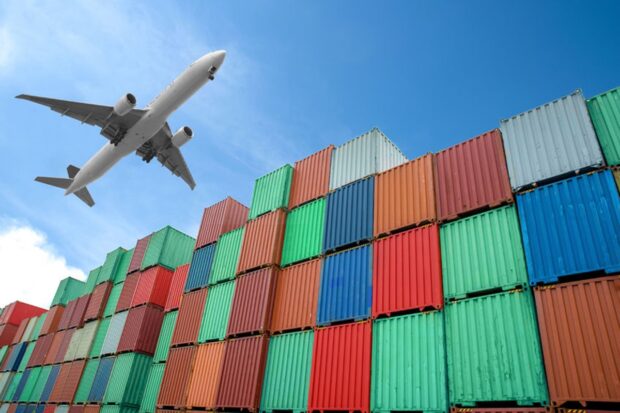
Data sourced from the Philippine Statistics Authority (PSA) reveals a sobering reality for the local economy. In April, the Philippines experienced a surge in its trade deficit, reaching levels not seen in nearly four years. This widening gap—a staggering 49.8 percent increase—serves as a barometer for the pressures currently bearing down on our national finances. When we talk about a trade deficit, we are looking at the simple yet profound imbalance between what we pay to the rest of the world for the goods we consume and what we earn from the products we sell abroad. Lately, the scale has tipped aggressively, with imports vastly outstripping exports.
At the heart of this economic friction is the global geopolitical situation. The ongoing instability in the Middle East has sent shockwaves through the oil markets. Because our economy relies heavily on imported energy to power our manufacturing plants, transport our goods, and keep the lights on in our offices and homes, these elevated global oil prices function as a massive tax on our growth. Every time a barrel of oil crosses a certain price threshold, the cost of doing business in the Philippines climbs, effectively making our imports significantly more expensive. This is not just a statistical anomaly; it is a lived reality for every Filipino who has felt the sting of fluctuating fuel prices at the pump, which inevitably trickles down to the cost of basic commodities.
But the story doesn't end with energy prices. The structural demand for imports remains high, reflecting a domestic economy that is attempting to regain its footing and expand. We are bringing in raw materials for construction, electronics for our burgeoning tech sectors, and food supplies to augment local production. However, while our import bill grows, our export sector faces a more complicated environment. Global demand for our semiconductor and electronics exports—our traditional bread and butter—has been subject to the cyclical nature of international trade. When global demand softens or slows, our export revenue falters, leaving us to foot a much larger bill for the essential goods we bring in from abroad.
Historically, the Philippines has often operated with a trade deficit, but the velocity of this recent expansion is what warrants attention from policymakers and business leaders alike. It forces us to confront the question of productivity. How can we shift the dial so that we aren't just consumers of global goods, but active participants in high-value manufacturing? Diversifying our export base and enhancing the value-added component of our products could be the long-term buffer against these external shocks. Furthermore, the reliance on imported fossil fuels highlights the urgent need to fast-track our transition toward indigenous, renewable energy sources. This isn't just about environmental policy anymore; it's about macroeconomic survival and insulating our national treasury from the whims of international conflicts.
As we look ahead, the challenge for the economic managers will be to balance this trade gap without stifling the consumer confidence that keeps our economy afloat. It requires a delicate hand: managing interest rates, attracting foreign direct investment, and supporting local industries that can replace some of our current imports with locally produced alternatives. While the recent figures are stark, they represent an invitation to rethink our reliance on external supply chains. It is time for us to prioritize industrial resilience, ensuring that when the next global supply chain disruption occurs, we are not left as vulnerable as we are today. The data is clear, but the path forward remains in our hands, provided we have the political and economic will to make the structural adjustments necessary for sustainable, long-term development.