

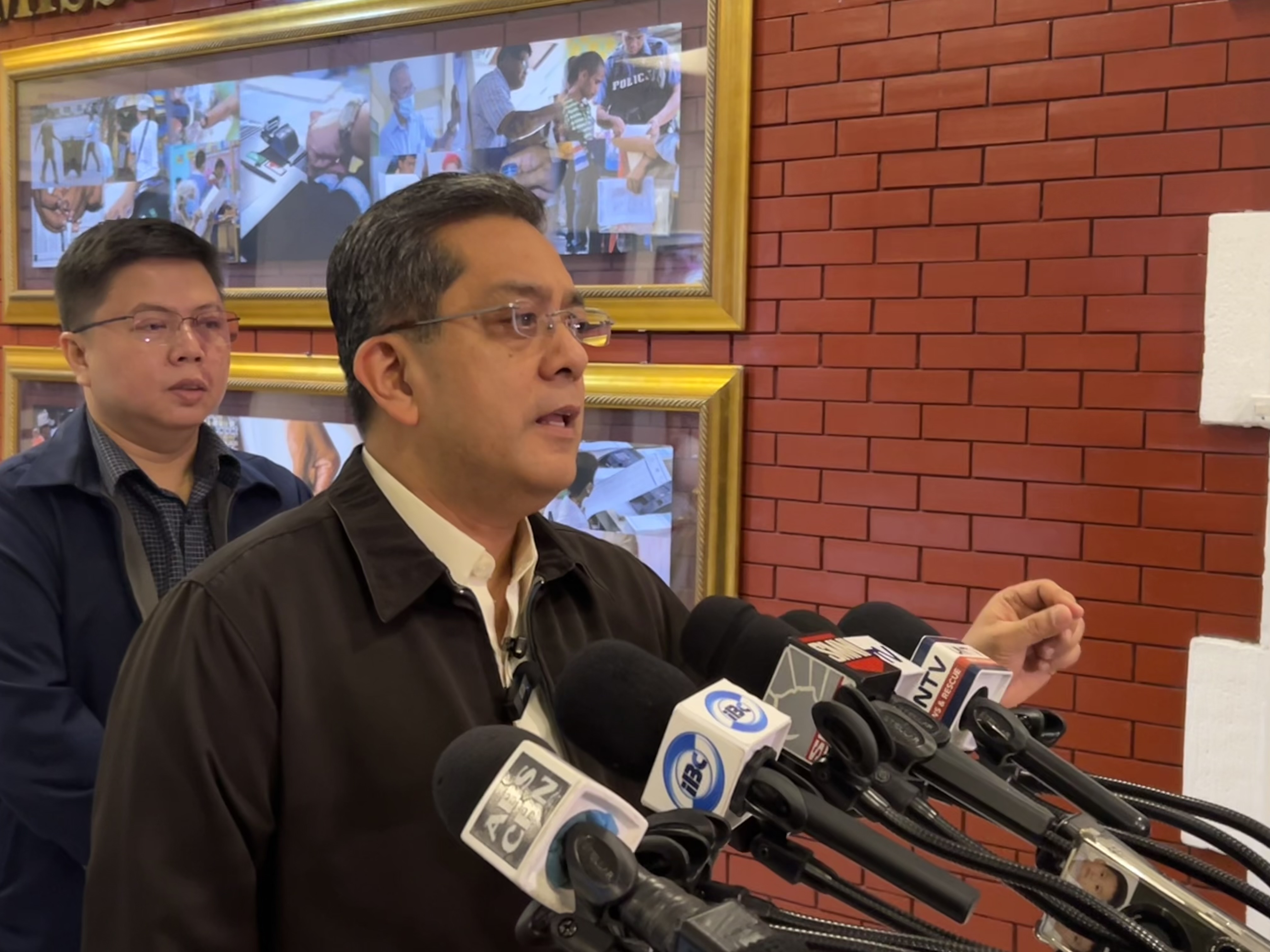
**National News: A Growing Voice: The Philippines Hits 71 Million Voters Ahead of the 2026 BSKE**
There is something profoundly powerful about the simple act of casting a ballot. In a democracy as vibrant and sometimes chaotic as the Philippines, our collective voice is etched into every choice made at the local precinct. Recently, the Commission on Elections (Comelec) shared a significant update that speaks volumes about our nation’s civic engagement: the number of registered regular voters has climbed to approximately 71 million. As we look toward the Barangay and Sangguniang Kabataan Elections (BSKE) in 2026, this figure isn’t just a statistic; it is a testament to a growing desire among Filipinos to participate in the grassroots governance that shapes our daily lives.
When we talk about the BSKE, we aren't just talking about another day at the polls. These elections are, in many ways, the heartbeat of our political structure. Because they happen at the neighborhood level, the impact is felt immediately—from the quality of the trash collection on your street to the safety of your local playground and the programs available for the youth in your community. Seeing the voter rolls swell to 71 million suggests that more Filipinos are waking up to the reality that change starts exactly where they live. It’s a shift from the often-discussed national spectacle of presidential elections toward a more localized, hands-on form of political responsibility.
Think back to the last decade. We have seen periods of apathy, followed by surges in registration during high-stakes national elections. But maintaining a high number of active, regular voters is a different challenge altogether. Achieving 71 million means that the Comelec’s efforts to modernize, streamline, and reach out to the youth and rural sectors are gaining traction. It’s no secret that the bureaucracy of registration has historically been a hurdle. We remember the long queues, the tedious paperwork, and the confusion surrounding requirements. Yet, the steady climb in numbers shows that the Commission’s push for inclusivity is working. They aren't just registering people; they are lowering the barrier to entry.
However, this number brings with it a massive responsibility for both the voters and the institution. As these 71 million individuals prepare to go to the polls, we have to ask: how do we ensure that this surge in quantity translates into a surge in quality? With more voters, the pressure on our election infrastructure—the machines, the logistics, the transparency of the tallying process—intensifies. The BSKE, which has historically been a more 'personal' election involving clan dynamics and neighborhood alliances, now sits under a much larger spotlight. There is a palpable shift in the air; people are increasingly discerning about whom they choose to lead their barangays. They are tired of the status quo and are looking for accountability.
Consider the demographics behind these numbers. A significant portion of this growth comes from the youth—the Sangguniang Kabataan (SK) side of the equation. This is arguably the most exciting development. For years, the youth were stereotyped as disengaged or purely interested in social media trends. But the current generation of Filipino youth is proving to be radically different. They are politically literate, digitally savvy, and deeply concerned about issues ranging from climate resilience in their provinces to employment opportunities after graduation. By participating in the BSKE, they aren't just 'trying out' democracy; they are actively reclaiming their future.
As we march toward 2026, the challenge for the Comelec and for us as citizens is to foster a culture where that 71 million represents an informed, vigilant electorate. It isn’t enough to just show up and shade a circle on a ballot. The true measure of our electoral health will be whether those 71 million voters show up armed with information, hold their candidates to their promises, and demand integrity from the system. The sheer size of this voter base is our collective leverage. It is a giant waking up, one barangay at a time. Whether this leads to a complete revitalization of local government remains to be seen, but one thing is clear: the Filipino people are showing up, and they are demanding to be heard. Let us hope that the upcoming election cycle honors this massive commitment to our democratic process. It is a time for optimism, but also a time for vigilance.