

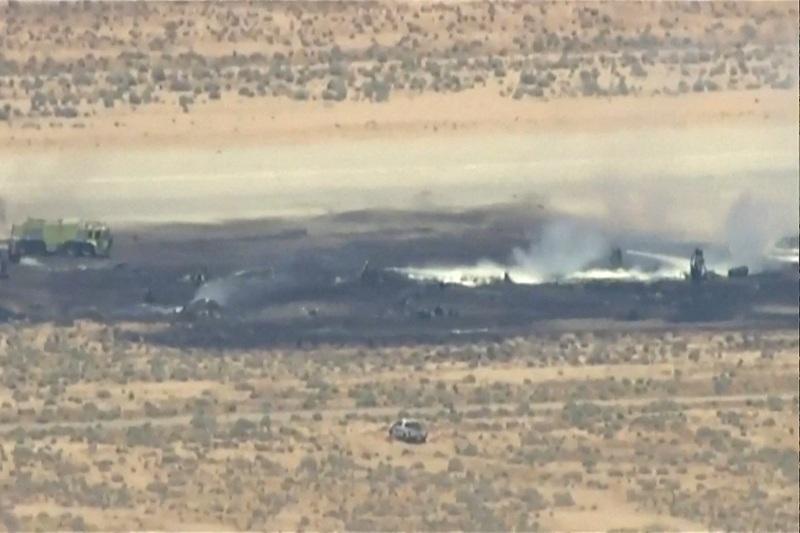
In a stark reminder of the inherent risks associated with heavy military aviation, a United States Air Force B-52 Stratofortress bomber crashed on Monday morning shortly after taking off from Edwards Air Force Base in Southern California. The massive aircraft, historically designed to carry a devastating mix of nuclear and conventional munitions, went down in the rugged, sun-baked expanse of the Mojave Desert. The incident has sent shockwaves through the military aviation community, drawing immediate attention to the operational footprint of one of the world’s most recognizable strategic bombers.
Edwards Air Force Base, situated northeast of Los Angeles, is no stranger to high-stakes aviation history. As the crown jewel of the Air Force's flight-testing program, its dry lake beds and vast airspace have hosted the development of almost every major American military aircraft since the dawn of the jet age. It was here that legendary test pilots pushed boundaries, and it is here where cutting-edge aviation technology continues to be tested. Yet, on this particular Monday, the desert landscape became the backdrop for an unexpected emergency rather than a triumphant milestone, highlighting the ever-present dangers faced by flight crews even during routine takeoffs.
The B-52 Stratofortress, colloquially known to its crews as the "BUFF" (Big Ugly Fat Fellow), has been the backbone of the American strategic bomber force for nearly seven decades. First entering service during the height of the Cold War in the 1950s, this eight-engine giant was built to project American airpower across vast oceans, carrying payloads designed to deter global adversaries. Over the decades, it has been heavily modified and upgraded, participating in conflicts from the Vietnam War to modern precision strike operations in the Middle East. Despite its age, the B-52 remains a crucial element of the U.S. nuclear triad, alongside land-based intercontinental ballistic missiles and submarine-launched weapons.
Details regarding the flight's specific mission profile on Monday remain limited. However, military officials confirmed that the heavy bomber crashed during its critical departure phase. Takeoff is notoriously one of the most demanding and hazardous phases of flight for any large aircraft, let alone an eight-engine bomber weighing hundreds of thousands of pounds. When an aircraft of this scale experiences a catastrophic failure close to the ground, the margin for recovery is razor-thin. Emergency response teams from Edwards Air Force Base immediately mobilized, rushing to the crash site where thick plumes of dark smoke could be seen rising against the clear desert sky.
As with any major military aviation accident, a formal investigation has been launched. The United States Air Force employs highly structured safety investigation boards to dissect such incidents. These teams of experts will look at a multitude of factors, ranging from mechanical wear and engine failure to environmental conditions and pilot inputs. Given the age of the B-52 fleet—with many airframes having flown for decades—maintenance and structural fatigue are always focal points of inquiry. However, military officials caution against early speculation, emphasizing that a thorough physical reconstruction of the event is required before any definitive conclusions can be drawn.
This crash occurs at a pivotal moment for the Stratofortress fleet. The Air Force is currently embarking on a massive, multi-billion-dollar modernization effort for the B-52, which includes installing new Rolls-Royce engines, modern radar systems, and digital cockpits. These updates are intended to keep the venerable bombers flying well into the 2050s, potentially marking a century of active service. Accidents like the one at Edwards Air Force Base inevitably raise questions about the viability of operating vintage airframes under intense modern operational tempos, even as defense planners argue that the B-52’s heavy payload and versatility remain irreplaceable.
The immediate aftermath of the crash will likely focus on crew recovery, environmental remediation in the Mojave Desert, and ensuring the safety of the remaining B-52 fleet worldwide. While the skies above Edwards Air Force Base are temporarily quieted by the gravity of this event, the mission of military flight testing and strategic deterrence continues.
Data sourced from Edwards Air Force Base official releases and major international defense news reports.