

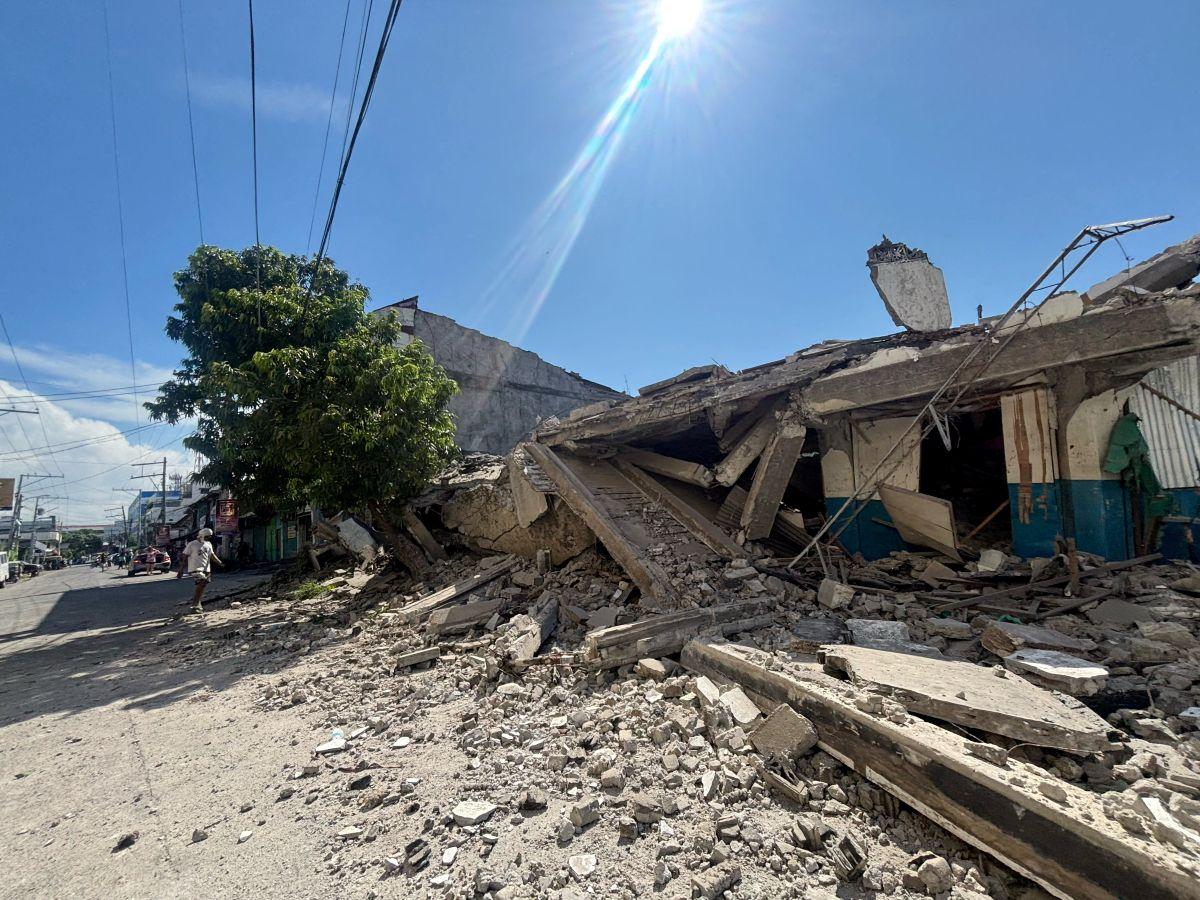
A devastating 7.8-magnitude earthquake struck the southern Philippines on Monday, leaving a trail of destruction and chaos in its wake. The powerful quake, which was felt across the region, has claimed the lives of at least 31 people, according to provincial authorities. The death toll is expected to rise as rescue efforts continue, with a dozen people still missing.
The earthquake, which occurred on Monday, caused widespread damage to buildings and infrastructure, with many structures toppling to the ground. The quake also sparked tsunami warnings across the region, prompting evacuations and causing widespread panic.
According to a report by GMA News, the earthquake was centered in the southern Philippines, with the epicenter located in the province of Maguindanao. The quake was felt as far away as the city of Davao, which is located several hundred kilometers from the epicenter.
The Philippine government has deployed rescue teams to the affected areas, with the military and emergency services working together to search for survivors and provide aid to those in need. The government has also declared a state of calamity in the affected provinces, which will allow for the allocation of emergency funds to support the relief efforts.
The earthquake has also caused significant disruption to the region's economy, with many businesses and industries forced to shut down due to the damage. The quake has also affected the region's transportation network, with many roads and bridges damaged or destroyed.
As the people of the Philippines come to terms with the devastating impact of the earthquake, there are concerns about the potential for further disasters in the region. The Philippines is located in the Pacific Ring of Fire, which makes it prone to earthquakes and other natural disasters.
In recent years, the Philippines has experienced several major earthquakes, including a 6.7-magnitude quake that struck the island of Luzon in 2019. The country has also been affected by other natural disasters, including typhoons and volcanic eruptions.
The international community has offered its support to the Philippines, with many countries pledging aid and assistance to help with the relief efforts. The United Nations has also deployed a team to the affected areas to provide support and assistance.
As the rescue efforts continue, there are fears that the death toll could rise further. The Philippine government has urged people to remain calm and to follow the instructions of the authorities, as the country works to recover from this devastating disaster.
Data sourced from GMA News.