

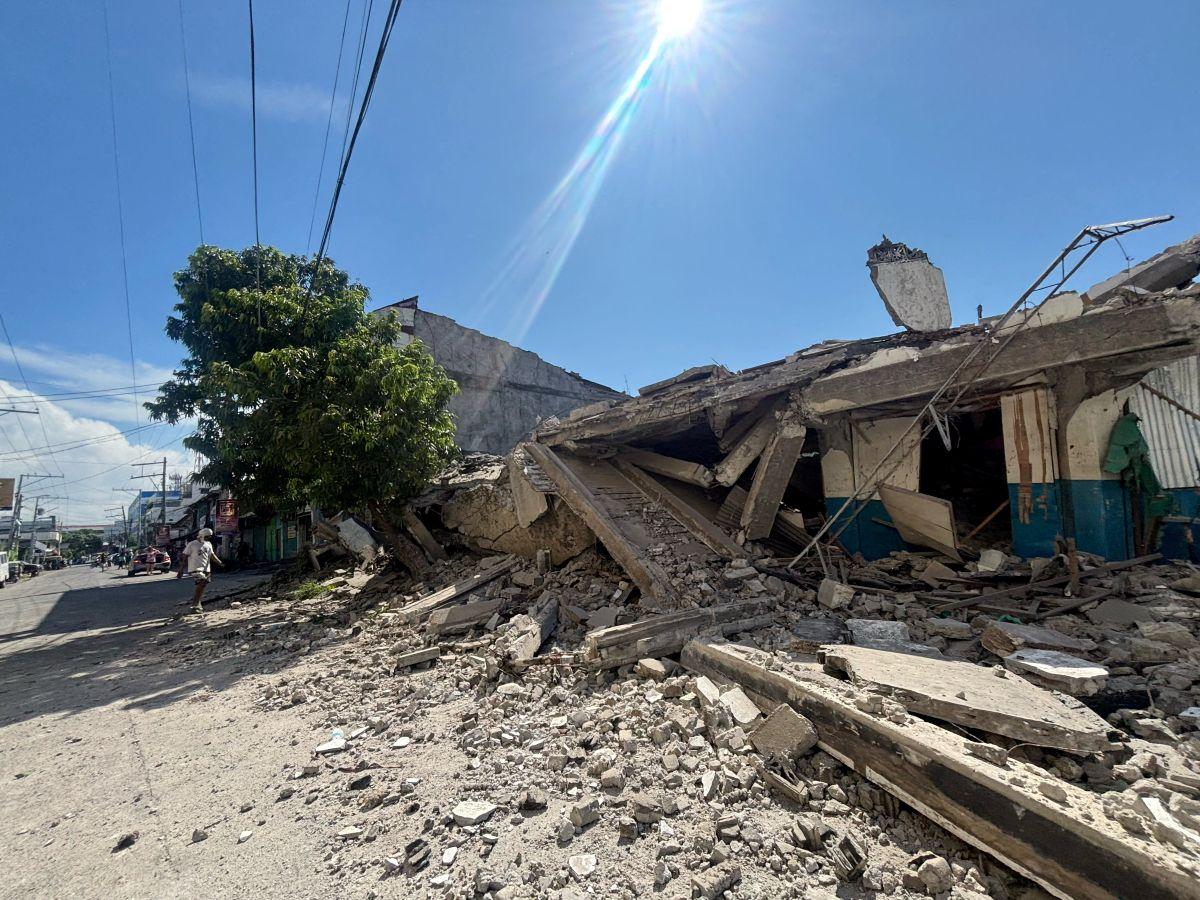
The earthquake's epicenter was reported to be in the far-flung regions of Mindanao, an area known for its diverse culture and vibrant communities. As the tremors subsided, the government, led by officials in Malacañang, quickly assessed the situation to ensure that resources and funds are in place to address any arising needs. This proactive stance is critical in times of crisis, reflecting a commitment to the welfare of the citizens who may have been affected by the quake.
Reports from local authorities indicate that while there were no immediate catastrophic damages reported, the potential for aftershocks remains a concern. Residents in the affected areas are encouraged to remain vigilant and prepared for any further seismic activity. Malacañang's assurance of sufficient funds is a vital message to the public. It not only aims to calm fears but also instills confidence in the government's capability to manage disaster response effectively.
This assurance comes on the heels of previous challenges faced by the administration in responding to natural calamities. The Philippines, being situated along the Pacific Ring of Fire, is no stranger to earthquakes and other natural disasters. However, the experience of past events has led to improvements in disaster preparedness and response strategies. The government has been investing in infrastructure that is more resilient to quakes and has been conducting regular drills and community awareness programs to better equip the populace.
In addition to financial readiness, the government is also coordinating with various agencies, including the National Disaster Risk Reduction and Management Council (NDRRMC), to ensure a comprehensive response plan is activated. This plan involves not only immediate rescue and relief efforts but also long-term recovery strategies that will help communities rebuild.
Moreover, the solidarity displayed by local communities in times of crisis is commendable. Many have rallied to support their neighbors, sharing food, shelter, and comfort. This spirit of bayanihan, or communal unity, is a hallmark of Filipino culture and is especially crucial during times of distress. As we navigate the aftermath of this earthquake, it is essential for citizens to stay informed and engaged, contributing to recovery efforts in whatever way they can.
As the government prepares to mobilize its resources, it is important for the public to remain updated through official channels. Social media and local news outlets will provide timely updates on the situation, including any changes in safety advisories or recovery efforts. Malacañang's commitment to transparency will help foster trust among citizens during this critical time.
In conclusion, while the earthquake may have shaken the ground beneath us, the response from the government assures us that we are not alone in facing the challenges ahead. With adequate funding and a solid plan in place, the path to recovery can be navigated effectively. The resilience of the Filipino spirit, combined with government support, will undoubtedly lead to stronger communities in the wake of this disaster.
According to a report by GMA News, the government's financial posture during this crisis is a pivotal element in ensuring that the needs of the affected populations are met promptly and adequately.