

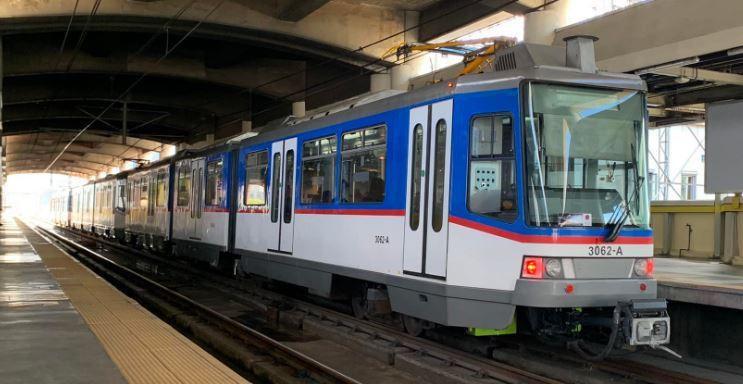
For the thousands of workers, students, and daily travelers who rely on the Metro Rail Transit Line 3 (MRT-3) to navigate the congested stretch of Epifanio de los Santos Avenue (EDSA), any disruption to the train service is a cause for immediate concern. On a Wednesday morning, June 17, those anxieties were briefly realized when a technical glitch forced the transit system into limited operations. Fortunately, unlike the prolonged breakdowns of years past, this incident was met with a swift and effective response from the line’s maintenance crew. Within just one hour, the technical team successfully resolved the issue, and normal train operations were fully restored.
The incident occurred during the crucial morning rush hour, a period when the railway operates at its highest capacity, ferrying commuters from the northern hubs of Quezon City down to the bustling financial districts of Makati and Pasay. When a technical issue arises during these peak hours, the impact is felt almost instantly across the entire capital region. Commuters are forced to make rapid, often stressful decisions—whether to wait out the delay on the station platforms, seek alternative and often overcrowded bus routes along the EDSA Carousel, or resort to ride-hailing services that see a sudden surge in pricing and demand.
Historically, the MRT-3 has been the subject of intense public scrutiny due to its long history of operational challenges. For over a decade, commuters endured frequent breakdowns, signaling failures, and even safety incidents that painted a grim picture of urban transit in Metro Manila. There was a time when service interruptions would last for hours, leaving thousands stranded in the tropical heat. These recurring issues were largely attributed to years of neglected maintenance, legal disputes over ownership, and a revolving door of short-term maintenance providers.
However, the narrative surrounding the MRT-3 has steadily shifted in recent years. Under the direction of the Department of Transportation (DOTr), a comprehensive rehabilitation program was launched, bringing back the original maintenance provider, Japan's Sumitomo-Mitsubishi Heavy Industries. This decision marked a turning point for the railway. The extensive rehabilitation project involved replacing the entire 43-kilometer stretch of tracks, upgrading the power substation systems, and overhauling the light rail vehicles (LRVs). These improvements not only increased the average operating speed of the trains but also significantly reduced the headway, or the waiting time between train arrivals, making the commute much more predictable and tolerable for the public.
This recent Wednesday morning glitch serves as a practical test of this upgraded system’s resilience. While the occurrence of a technical issue is never ideal, the speed with which it was resolved—under sixty minutes—demonstrates a marked improvement in the emergency response and diagnostic capabilities of the current maintenance team. In the past, diagnosing a track or signaling issue could take hours of manual inspection. Today, with modernized monitoring systems and highly trained personnel stationed at key points along the line, anomalies can be quickly identified and addressed.
Nevertheless, transportation advocates point out that even a brief one-hour disruption underscores the fragility of Metro Manila's public transportation network. The sheer volume of people relying on a single rapid transit line means that any minor hiccup has a cascading effect. It emphasizes the urgent need not only to maintain the existing MRT-3 system to the highest standards but also to expedite the construction of complementary transport infrastructure. Projects like the Metro Manila Subway, the LRT-1 Cavite Extension, and the MRT-7 are eagerly anticipated as they promise to distribute the passenger load more evenly across the metropolis, providing commuters with viable alternatives when one line faces technical difficulties.
As the city continues to grow, the pressure on its transit systems will only intensify. For the management of the MRT-3, the goal remains achieving zero-glitch operations, a target that requires relentless preventative maintenance and proactive upgrades. While commuters certainly hope for a future completely free of delays, the quick resolution of this latest technical issue offers some reassurance that the system is in far more capable hands than it was in the past.
According to official updates and operational reports released by the Metro Rail Transit Line 3 management, the swift recovery of the system ensured that the majority of the morning's commuter traffic was handled without further incident, allowing thousands of workers to reach their destinations with minimal delay.