

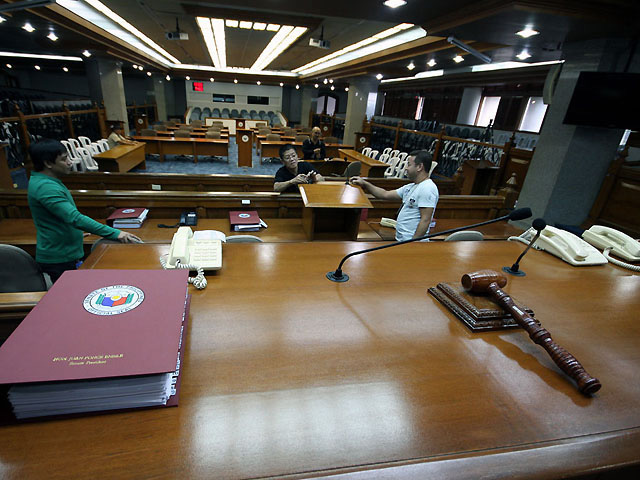
The halls of the Philippine Senate have long been regarded as a sanctuary of intellectual debate, policy formulation, and grand compromise. Historically, the chamber has prided itself on maintaining a level of decorum and institutional independence that sets it apart in the country’s political landscape. However, recent developments have tested this reputation, leading to a palpable sense of unease not just among the public, but also within the ranks of those who once steered the upper house through its most turbulent eras. In a rare and significant intervention, a group of former Senate Presidents has stepped forward to address the ongoing leadership friction within the chamber, issuing a collective call for order, stability, and a swift return to the legislative duties that the nation so desperately requires.
According to reports from major national news organizations, including GMA News, these veteran statesmen have expressed growing concern over the internal divisions that threaten to derail the legislative agenda. Their message is clear and unequivocal: the current crop of lawmakers must set aside internal politics and refocus their collective energy on the pressing challenges facing the country today. By reminding incumbent senators of their primary mandate, the former leaders are drawing on decades of governance experience to steer the institution away from divisive power struggles and back toward public service.
The timing of this appeal is critical. The Philippines is currently navigating a complex post-pandemic economic recovery, marked by persistent global headwinds, fluctuating inflation rates, and structural challenges in key sectors. The former Senate leaders specifically highlighted three critical areas that demand immediate and undivided legislative attention: the economy, food security, and energy security. These are not merely abstract policy points; they represent the everyday struggles of millions of Filipinos who are grappling with the rising costs of basic commodities, unstable utility supplies, and the broader uncertainties of the global market.
In terms of the economy, the legislative branch plays an indispensable role in crafting laws that foster a conducive environment for business growth, foreign direct investment, and job creation. Major economic reforms require careful deliberation and a unified vision—outcomes that are difficult to achieve when the leadership of the chamber is in a state of flux. When political maneuvering overshadows policy discussions, critical bills can languish in committee hearings, stalling the momentum of national development programs.
Food security remains another highly sensitive and urgent issue. The agricultural sector in the Philippines has faced successive trials, from severe weather disturbances exacerbated by climate change to supply chain inefficiencies and fluctuating import policies. Addressing these vulnerabilities requires long-term legislative frameworks that support local farmers, modernize agricultural infrastructure, and ensure that stable food supplies reach consumers at reasonable prices. The former leaders argue that these complex socio-economic debates should take precedence over internal disputes regarding committee chairmanships or leadership alignments.
Similarly, energy security is a looming crisis that requires proactive legislative intervention. With the country's main domestic natural gas source depleting and global fuel prices remaining highly volatile, the transition to sustainable and reliable energy sources is a matter of national security. Delays in updating energy regulations or approving critical infrastructure projects could lead to higher electricity costs for consumers and businesses alike, further dampening economic competitiveness.
The intervention of the former Senate Presidents serves as a powerful reminder of the Senate's unique role as a stabilizing force in Philippine democracy. Unlike the House of Representatives, which represents localized districts, senators are elected at-large, giving them a national mandate. This national perspective is supposed to insulate the chamber from localized political skirmishes and allow it to focus on the bigger picture of nation-building.
Throughout history, leadership changes and internal rivalries have not been uncommon in the Senate. However, the current plea from its former leaders underscores a concern that the current friction may be transcending normal legislative maneuvering and entering a phase that risks undermining public trust in the institution. The elder statesmen’s call is an appeal to the sense of duty and statesmanship that has traditionally defined the upper house.
Ultimately, the resolution of the current impasse lies in the hands of the incumbent senators. Whether they choose to heed the counsel of their predecessors will determine not only the direction of the Senate in the coming months but also the pace of the country’s legislative progress. As the nation watches, the hope remains that the upper chamber will rise above the fray, restore internal stability, and prioritize the welfare of the constituents they were elected to serve.
Data sourced from GMA News.