

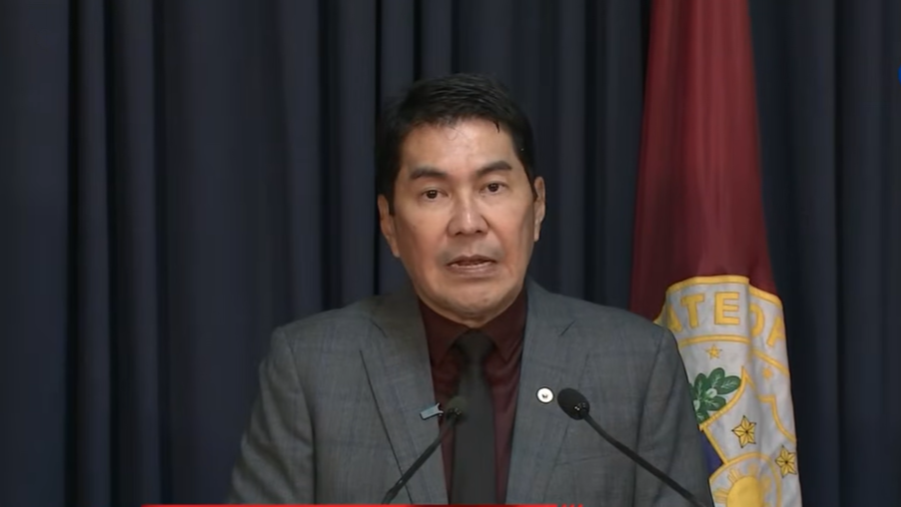
As the Senate continues to play a crucial role in shaping national policy, the leadership changes often spark discussions about the future direction of legislative priorities and party alignments. Tulfo's assertion indicates that the political landscape is not just a matter of individual ambitions but also reflects broader party strategies and coalitions that can significantly influence legislative outcomes.
The Cayetano bloc's petition was initially perceived as a pivotal move that could reshape the Senate's operational framework. However, with Gatchalian's ascension to the leadership role, many observers, including Tulfo, are now questioning the relevance of this legal challenge. It's a classic example of how swiftly the tides can turn in politics, where yesterday's pressing issues can quickly become moot in the face of new developments.
Gatchalian's election signals a shift in power dynamics and raises questions about how he will lead the Senate in the upcoming legislative sessions. Will he prioritize collaboration among the various factions within the Senate, or will he push a more partisan agenda? The answers to these questions could determine the effectiveness of the Senate's legislative output in the coming months.
Moreover, Tulfo's comments highlight a critical aspect of political strategy: the significance of timing. In politics, being able to anticipate shifts in the landscape can often make the difference between success and failure. The Cayetano bloc may have underestimated the speed at which Gatchalian could consolidate support, leading to their petition becoming irrelevant almost overnight.
This situation also opens up a broader conversation about the role of the judiciary in political disputes. The Supreme Court often finds itself in the midst of political controversies, tasked with making decisions that can have lasting impacts on governance. Tulfo's remarks suggest an ongoing debate about the extent to which the judiciary should intervene in legislative matters, especially when the political landscape is rapidly changing.
As the political scene in the Philippines evolves, the interplay between legislative leadership and judicial authority will continue to be a hot topic for discussion. The implications of these developments extend beyond the immediate concerns of the Senate, influencing public perception of governance and the efficacy of political institutions.
In conclusion, Tulfo's insights provide a valuable perspective on the current political climate. The mootness of the Cayetano bloc's petition underscores the ever-changing nature of politics, where leaders must remain agile and responsive to new developments. As Gatchalian begins his tenure as Senate President, all eyes will be on him to see how he navigates these complex waters and what it will mean for the future of the Philippine Senate.
Data sourced from GMA News.